
BLOGS
11 SEptember 2026
THE CONVERSATIONS YOUR REAL ESTATE AGENT SHOULD BE HAVING WITH YOU:
Selling your home is about more than putting a property on the market and waiting for a buyer.
A good real estate agent should be having regular, honest conversations with you throughout the campaign, helping you understand what is happening and what the market is telling you.
“WHAT ARE YOUR EXPECTATIONS?”
Before going to market, you should have a clear conversation about your goals, your timeframe and your expectations around price.
This helps create a strategy that reflects both your circumstances and the current market.

This helps create a strategy that reflects both your circumstances and the current market.
“HERE’S WHAT BUYERS ARE SAYING”
Buyer feedback can be incredibly valuable, even when it isn’t always flattering.
Your agent should be sharing the positive comments as well as any concerns, and helping you identify whether there are patterns worth considering.
“HOW DOES YOUR PROPERTY COMPARE?”
Buyers in Glenfield and across the North Shore are comparing your home with other properties.
Your agent should understand the competition, recent sales and how your property is positioned in the current market.
“DO WE NEED TO CHANGE OUR APPROACH?”
Sometimes a campaign progresses exactly as planned. Sometimes it doesn’t.
If the market response suggests something needs to change, your agent should be prepared to have that conversation. It could involve the marketing, presentation, timing or pricing strategy.
“HERE’S WHAT I RECOMMEND”
An agent should do more than provide information. You are also paying for their experience and advice.
They should be willing to make recommendations, explain their reasoning and give you the information you need to make an informed decision.
GOOD COMMUNICATION CREATES CONFIDENCE
You don’t need an agent who simply tells you what you want to hear.
You need someone who communicates openly, provides honest advice and keeps you informed throughout the campaign.
For homeowners in Glenfield and across Auckland’s North Shore, the best real estate relationship isn’t built on telling you what you want to hear. It’s built on telling you what you need to know.
If you have any questions about buying or selling on Auckland’s North Shore, or would like an obligation free appraisal of your property, I’d be happy to help. Andre Volkov [027 243 6007 or email a.volkov@barfoot.co.nz]
3 SEptember 2026
WHY FEEDBACK ISN’T ALWAYS FLATTERING:
Selling your home can be an emotional experience. You have lived there, cared for it and created memories there, so hearing a potential buyer point out something they don’t like can sometimes be difficult.
But honest buyer feedback can be one of the most valuable parts of the selling process.
Buyers See Things Differently
The things you love about your home may not be the things a buyer notices.
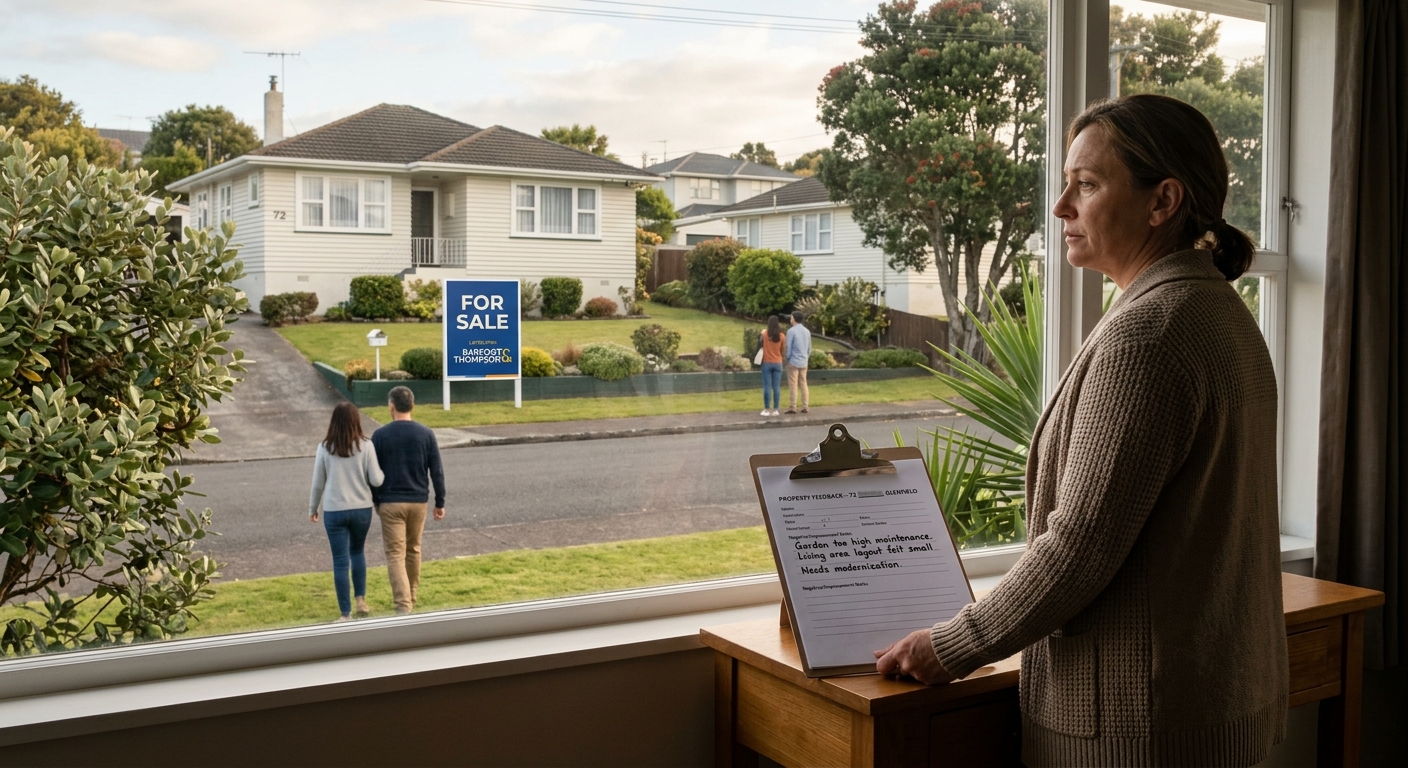
That doesn’t mean either perspective is right or wrong. Buyers are simply looking at the property from their own perspective and considering whether it suits their lifestyle and budget.
The Feedback you don’t want to hear can be the most useful
Of course, it is always nice to hear, “We love the house.”
But sometimes the less flattering comments are more valuable.
If several buyers independently raise the same concern, it is worth paying attention to. Perhaps they feel the property is priced above their expectations, have concerns about the presentation, or simply don’t understand the potential of a particular feature.
The feedback doesn’t necessarily mean something is wrong with the property.
It can simply tell you how buyers are perceiving it.
Turning Feedback into an Opportunity
This is where having an experienced agent can make a difference.
Rather than reacting to every individual comment, the aim is to identify patterns and understand what the overall market response is telling you.
Sometimes the answer may be a simple improvement to presentation or providing buyers with more information.
Other times, the feedback may confirm that the property is being presented correctly and that the right buyer simply hasn’t come along yet.
Not every piece of feedback requires action. What matters is understanding which feedback is useful and what it is telling you.
Finding the Right Buyer
No property will appeal to everyone.
The goal isn’t to find someone who thinks your home is perfect. It is to find the buyer for whom the property makes sense.
For sellers in Glenfield and across Auckland’s North Shore, honest feedback can help bridge the gap between how you see your home and how today’s buyers see it.
And sometimes, the feedback you don’t particularly enjoy hearing can be exactly what helps you make a better decision.
Good feedback doesn’t always tell you what you want to hear. Sometimes, it tells you what you need to know.
If you have any questions about buying or selling on Auckland’s North Shore, or would like an obligation free appraisal of your property, I’d be happy to help. Andre Volkov [027 243 6007 or email a.volkov@barfoot.co.nz]
28 August 2026
THE FIRST 14 DAYS: WHY THE START OF YOUR CAMPAIGN MATTERS
When selling your home, there is naturally a lot of focus on the final result, achieving the right price and finding the right buyer. But the way a property enters the market can be just as important.
The first 14 days are an opportunity to create awareness, attract potential buyers and understand how the market is responding to your property.
It is not about putting pressure on a seller to sell within two weeks. Every property, seller and situation is different. Instead, it is about giving your campaign the best possible start.
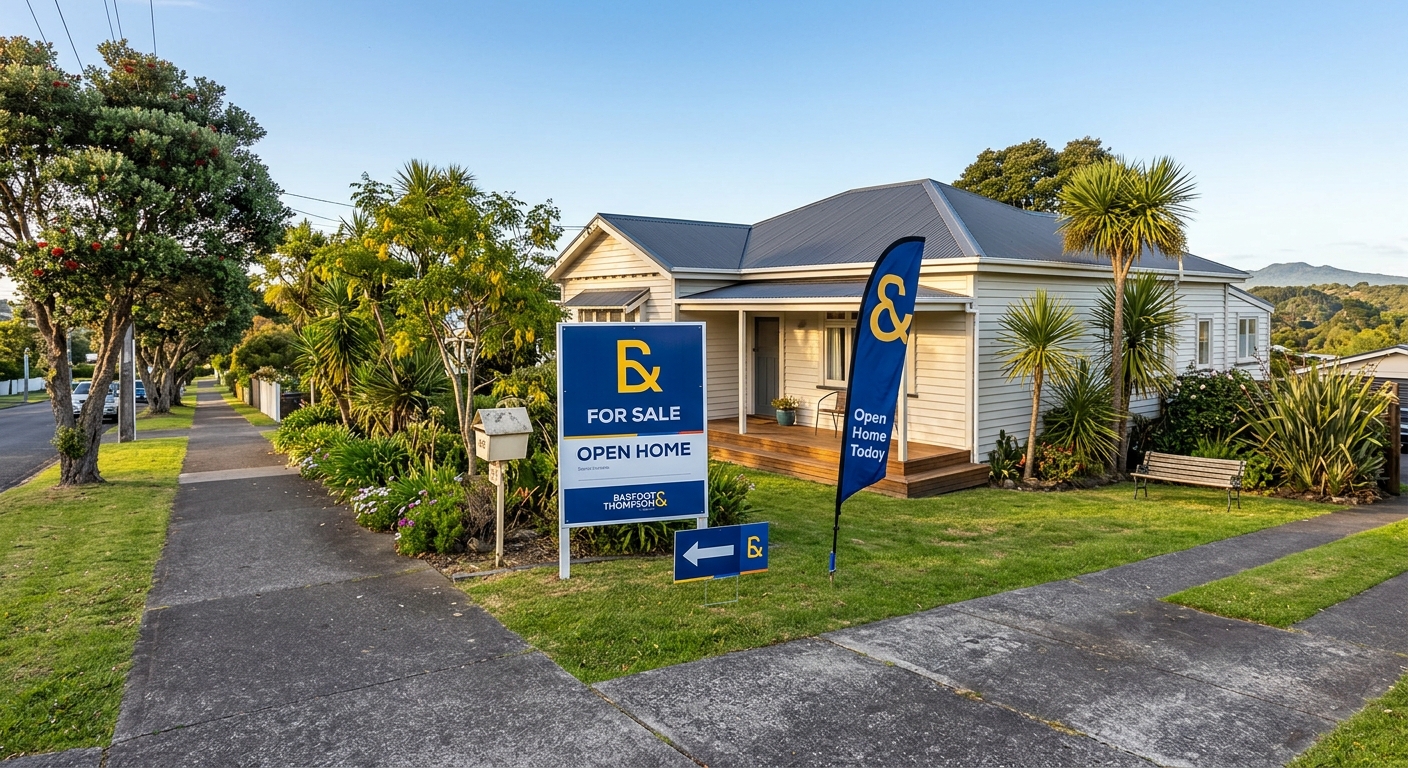
First Impressions Matter
Before a buyer attends an open home, they have usually already seen your property online. Photography, presentation, floor plans, the property description and price all contribute to whether they decide to take the next step.
In Glenfield and across Auckland’s North Shore, buyers have plenty of properties to compare. A strong launch helps your property stand out and gives buyers a reason to arrange a viewing.
Listening to Buyers
The first couple of weeks also provide valuable feedback.
Are buyers responding positively to the presentation? Do they like the layout? Are they asking questions? Are there concerns about the price?
One buyer’s opinion may not tell you much, but when similar feedback starts appearing repeatedly, it can provide useful insight into how the market is viewing the property.
This is where an experienced agent can add real value, helping sellers understand the feedback rather than simply reacting to every individual comment.
Every Property is Different
Not every property follows the same path.
Some homes attract strong interest immediately, while others take longer to find the right buyer. Some properties may also have been marketed previously and are now coming to market with a fresh strategy.
A previous campaign does not determine what happens next. Markets change, buyers change and competition changes.
A new campaign provides an opportunity to reassess the property, learn from previous feedback and consider what can be done differently.
Creating Momentum
The purpose of the first 14 days is not simply to generate as many people through the door as possible.
It is about creating genuine interest, identifying potential buyers and gathering information that can help guide the campaign.
For sellers in Glenfield and across the North Shore, a well planned launch can provide a strong foundation for the weeks ahead.
Ultimately, there is no one formula for selling a property.
Every home is different, every seller has different goals, and every campaign should be tailored accordingly.
The first 14 days are simply about making the most of the opportunity, creating interest and allowing the market to tell you what comes next.
If you have any questions about buying or selling on Auckland’s North Shore, or would like an obligation free appraisal of your property, I’d be happy to help.
Andre Volkov [027 243 6007 or email a.volkov@barfoot.co.nz]
21 August 2026
PART 4: REAL ESTATE TERMS EXPLAINED: Understanding Ownership and Building Terms
When buying a property, it is important to understand not only the home itself, but also how the property is owned and whether there are any building-related matters you need to be aware of.
Different ownership structures come with different responsibilities, and building terminology can sometimes be confusing if you are unfamiliar with the process.
In the final part of our Real Estate Terms Explained series, we explain some of the common ownership and building terms buyers and sellers may come across during a property transaction.

Freehold (Fee Simple)
Freehold, also known as fee simple ownership, is the most common type of property ownership in New Zealand.
With a freehold property, the owner generally owns both the land and the buildings on it, subject to any restrictions or interests recorded on the Title.
Freehold properties are often considered straightforward from an ownership perspective, but buyers should always review the Record of Title and relevant property information before purchasing.
Cross Lease
A cross lease is a type of property ownership where multiple owners share ownership of the land and each owner leases their individual dwelling from the other owners.
Cross lease properties are common in Auckland, particularly in older developments.
When purchasing a cross lease property, buyers should review the Title, flats plan, and any lease documents. It is also important to check that the property matches the flats plan, particularly if changes or additions have been made over time.
Unit Title
A unit title is commonly used for apartments, townhouses, and some multi-unit developments.
With a unit title property, the owner owns their individual unit and shares ownership of common areas with other owners. Unit title owners are generally part of a body corporate, which manages shared responsibilities and costs.
Buyers should review information such as the body corporate records, levies, rules, and long-term maintenance plans before purchasing.
Body Corporate
A body corporate is the organisation responsible for managing shared areas and responsibilities within a unit title development.
The body corporate helps manage matters such as maintenance, insurance, shared facilities, and future planning for the building.
Before purchasing a unit title property, buyers should understand the body corporate’s responsibilities, fees, and any upcoming maintenance projects.
Unconsented Work
Unconsented work refers to building work that has been completed without the required council approval.
Examples may include additions, alterations, sleepouts, bathrooms, decks, or other improvements that required consent but were completed without obtaining one.
Unconsented work does not automatically mean a property cannot be purchased, but buyers should understand what work has been completed and seek appropriate advice from professionals such as their solicitor, building inspector, or council where required.
Why Understanding Ownership and Building Terms Matters
The way a property is owned and the history of any building work can affect how you use, maintain, and develop the property in the future.
For buyers, understanding these terms helps you ask the right questions and make informed decisions before purchasing.
For sellers, having a clear understanding of your property’s ownership structure and building history can help ensure you are prepared when bringing your property to market.
Throughout this four-part series, the goal has been to explain common real estate terminology in plain English and help buyers and sellers feel more confident navigating the property process.
As a North Shore Auckland real estate agent, my role is not only to help people buy and sell property, but also to guide them through each stage of the journey and help make the process easier to understand.
If you are thinking about buying or selling on Auckland’s North Shore and would like advice tailored to your situation, contact me today for an obligation free appraisal. Andre Volkov [027 243 6007 or email a.volkov@barfoot.co.nz]
14 August 2026
PART 3: REAL ESTATE TERMS EXPLAINED: Understanding Property Documents and Reports
When buying or selling a property, you’ll often hear people referring to LIM reports, titles, building consents, Code Compliance Certificates, and property files. While these documents play an important role in a property transaction, many buyers and sellers aren’t always sure what they are or why they matter.
In Part 3 of our Real Estate Terms Explained series, we’ll explain some of the most common property documents and reports you’ll come across and why they are important.

LIM Report (Land Information Memorandum)
A LIM Report is issued by the local council and contains important information about a property. It may include details about zoning, building consents, drainage, flooding, rates, and other information held on the council’s records.
A LIM Report helps buyers better understand the property before making an unconditional commitment.
Record of Title (Title)
The Record of Title is the legal document that confirms ownership of a property. It also records important legal interests affecting the land, such as easements, covenants, or land covenants.
Reviewing the Title helps buyers understand exactly what they are purchasing and whether there are any rights or restrictions that may affect the property.
Code Compliance Certificate (CCC)
A Code Compliance Certificate, commonly known as a CCC, is issued by the council after approved building work has been completed and inspected. It confirms that the completed work complies with the Building Consent that was originally issued.
Not every property will have a CCC for every improvement, particularly if work was completed many years ago under different legislation, but where applicable, it is an important document to have available.
Building Consent
A Building Consent is council approval required before certain building work can begin. Not all work requires a Building Consent, but many structural alterations, additions, and significant renovations do.
If alterations have been carried out without the required consent, buyers may wish to seek further advice before proceeding with a purchase.
Disclosures
A disclosure is information that should be shared with potential buyers about a property.
This may include known defects, unconsented work, insurance matters, or other information that could influence a buyer’s decision. Providing accurate information helps buyers make informed decisions and supports a transparent sales process.
Property File
A Property File is held by the local council and contains information relating to the property’s history. Depending on the property, it may include building consent records, approved plans, inspection reports, and other council documentation.
While not every Property File is the same, it can be a valuable source of historical information.
Why Are These Documents Important?
Property documents help buyers understand exactly what they are purchasing and give sellers the opportunity to provide important information upfront.
Having these documents available early in the sales process can help answer questions, reduce uncertainty, and assist buyers in making informed decisions.
As a real estate agent, one of my roles is helping buyers and sellers understand these documents and explaining what information they contain. If additional advice is required, I always recommend seeking guidance from the appropriate professionals, such as your solicitor, building inspector, or council.
In Part 4 of our series, we’ll explore different ownership types and building terminology, including freehold, cross lease, unit title, body corporate, and unconsented work.
If you are thinking about buying or selling on Auckland’s North Shore and would like guidance tailored to your situation, I would be happy to help. Contact me today for an obligation free appraisal.
Andre Volkov [027 243 6007 or email a.volkov@barfoot.co.nz]
LIM Report (Land Information Memorandum)
A LIM Report is issued by the local council and contains important information about a property. It may include details about zoning, building consents, drainage, flooding, rates, and other information held on the council’s records.
A LIM Report helps buyers better understand the property before making an unconditional commitment.
Record of Title (Title)
The Record of Title is the legal document that confirms ownership of a property. It also records important legal interests affecting the land, such as easements, covenants, or land covenants.
Reviewing the Title helps buyers understand exactly what they are purchasing and whether there are any rights or restrictions that may affect the property.
Code Compliance Certificate (CCC)
A Code Compliance Certificate, commonly known as a CCC, is issued by the council after approved building work has been completed and inspected. It confirms that the completed work complies with the Building Consent that was originally issued.
Not every property will have a CCC for every improvement, particularly if work was completed many years ago under different legislation, but where applicable, it is an important document to have available.
Building Consent
A Building Consent is council approval required before certain building work can begin. Not all work requires a Building Consent, but many structural alterations, additions, and significant renovations do.
If alterations have been carried out without the required consent, buyers may wish to seek further advice before proceeding with a purchase.
Disclosures
A disclosure is information that should be shared with potential buyers about a property.
This may include known defects, unconsented work, insurance matters, or other information that could influence a buyer’s decision. Providing accurate information helps buyers make informed decisions and supports a transparent sales process.
Property File
A Property File is held by the local council and contains information relating to the property’s history. Depending on the property, it may include building consent records, approved plans, inspection reports, and other council documentation.
While not every Property File is the same, it can be a valuable source of historical information.
Why Are These Documents Important?
Property documents help buyers understand exactly what they are purchasing and give sellers the opportunity to provide important information upfront.
Having these documents available early in the sales process can help answer questions, reduce uncertainty, and assist buyers in making informed decisions.
As a real estate agent, one of my roles is helping buyers and sellers understand these documents and explaining what information they contain. If additional advice is required, I always recommend seeking guidance from the appropriate professionals, such as your solicitor, building inspector, or council.
In Part 4 of our series, we’ll explore different ownership types and building terminology, including freehold, cross lease, unit title, body corporate, and unconsented work.
If you are thinking about buying or selling on Auckland’s North Shore and would like guidance tailored to your situation, I would be happy to help. Contact me today for an obligation free appraisal.
Andre Volkov [027 243 6007 or email a.volkov@barfoot.co.nz]
7 August 2026
PART 2: REAL ESTATE TERMS EXPLAINED: Understanding Real Estate Terms When Buying or Selling a Home
If you are buying or selling a home, you will hear a variety of real estate terms throughout the process. While these terms are commonly used by real estate agents, solicitors, and lenders, they can often be unfamiliar to buyers and sellers.
In this second part of our series, we explain some of the most common terms you are likely to come across and what they mean in simple, everyday language.

Tender: A tender is a method of sale where interested buyers submit their best offer by a set date and time. Unlike an auction, buyers do not know what other buyers have offered, and there is no public bidding. Once the tender closes, the vendor reviews all offers before deciding whether to accept one, negotiate, or decline the offers received.
Auction: An auction is a public method of sale where buyers compete by bidding against each other. If the reserve price is met and the highest bid is accepted by the seller, the property is sold and the sale becomes unconditional immediately. Buyers intending to bid at auction should complete all of their due diligence, including arranging finance and carrying out any inspections, before auction day.
Conditional Offer: A conditional offer is an offer that includes one or more conditions that must be satisfied before the agreement becomes unconditional. Common conditions include finance approval, a builder’s report, solicitor’s approval, or the sale of the buyer’s existing property. These conditions give buyers time to complete their checks before fully committing to the purchase.
Unconditional Offer: An unconditional offer means there are no outstanding conditions to be met. The buyer has completed their due diligence and both the buyer and seller are committed to proceeding with the sale, subject to the terms of the Sale and Purchase Agreement. The transaction then moves towards settlement.
Multi Offer: A multi-offer situation occurs when two or more buyers submit offers on the same property at the same time. In these situations, buyers are generally given one opportunity to present their best offer, as they are unlikely to know what the other buyers are offering. For vendors, it provides an opportunity to consider multiple offers before making a decision.
Settlement: Settlement is the day ownership of the property officially transfers from the seller to the buyer. On settlement day, the purchase money is transferred through the solicitors, ownership changes hands, and the buyer is able to take possession of the property unless otherwise agreed.
Understanding these common real estate terms can make buying or selling a home far less daunting. The more familiar you are with the process, the more confident you will feel when making important property decisions.
In Part 3 of this series, we will explain some of the most important property documents and reports you are likely to encounter, including LIM reports, titles, Code Compliance Certificates, building consents, disclosures, and property files.
If you are thinking about buying or selling on Auckland’s North Shore and would like guidance tailored to your situation, I would be happy to help. Contact me today for an obligation free appraisal.
Andre Volkov [027 243 6007 or email a.volkov@barfoot.co.nz]
31 JULY 2026
PART 1: REAL ESTATE TERMS EXPLAINED: A Guide for Auckland Buyers and Sellers:
Buying or selling a home is one of the biggest decisions many people will make, but the process can sometimes feel overwhelming, especially when you start hearing unfamiliar real estate terms and phrases.
Words such as tender, LIM report, unconditional offer, cross lease, and Code Compliance Certificate are commonly used throughout a property transaction, but for many buyers and sellers, these terms are not something they deal with every day.

Over the coming weeks, I will be sharing a four-part series designed to help Auckland buyers and sellers better understand some of the common terminology used throughout the real estate process.
The aim of this series is simple: to explain these terms in plain English, so you can feel more confident and informed when making decisions about buying or selling a property.
In Part 2, we will look at Understanding Real Estate Terms When Buying or Selling a Home. We will explain some of the key terms you are likely to hear during the sales process, including tender, auction, conditional offers, unconditional offers, multi-offer situations, and settlement. Understanding these terms can help buyers and sellers better understand what happens when offers are made and how a property sale progresses.
In Part 3, we will focus on Understanding Property Documents and Reports. We will explain the purpose of important documents such as LIM reports, titles, Code Compliance Certificates, building consents, disclosures, and property files. These documents provide valuable information about a property and are an important part of making informed decisions.
In Part 4, we will explore Understanding Ownership and Building Terms. We will explain different ownership types and building-related terminology, including freehold properties, cross leases, unit titles, body corporates, and unconsented work. These terms can have an important impact on how a property is owned, maintained, and developed in the future.
Whether you are a first home buyer, a homeowner thinking about selling, or simply wanting to understand more about the Auckland property market, this series is designed to make the real estate process easier to navigate.
As a North Shore Auckland real estate agent, my role is not only to help people buy and sell property, but also to provide guidance and ensure my clients understand every step of the journey.
Stay tuned for Part 2: Understanding Real Estate Terms When Buying or Selling a Home.
If you are thinking about buying or selling and would like advice specific to your situation, contact me today for an obligation free appraisal.
Andre Volkov [027 243 6007 or email a.volkov@barfoot.co.nz]
23 JULY 2026
WHY WAITING FOR THE “PERFECT MARKET” COULD COST YOU:
One of the most common things I hear from homeowners is, “We’re thinking of selling, but we’re waiting for the market to improve.”
It’s an understandable mindset. Everyone wants to achieve the best possible price for their home. However, waiting for the “perfect” market isn’t always the best strategy, and in many cases, it can end up costing more than it saves.
The truth is, no one can consistently predict where the property market is heading. Interest rates, economic conditions, migration, and buyer confidence all play a part, and these factors can change quickly. Even experienced economists regularly revise their forecasts.
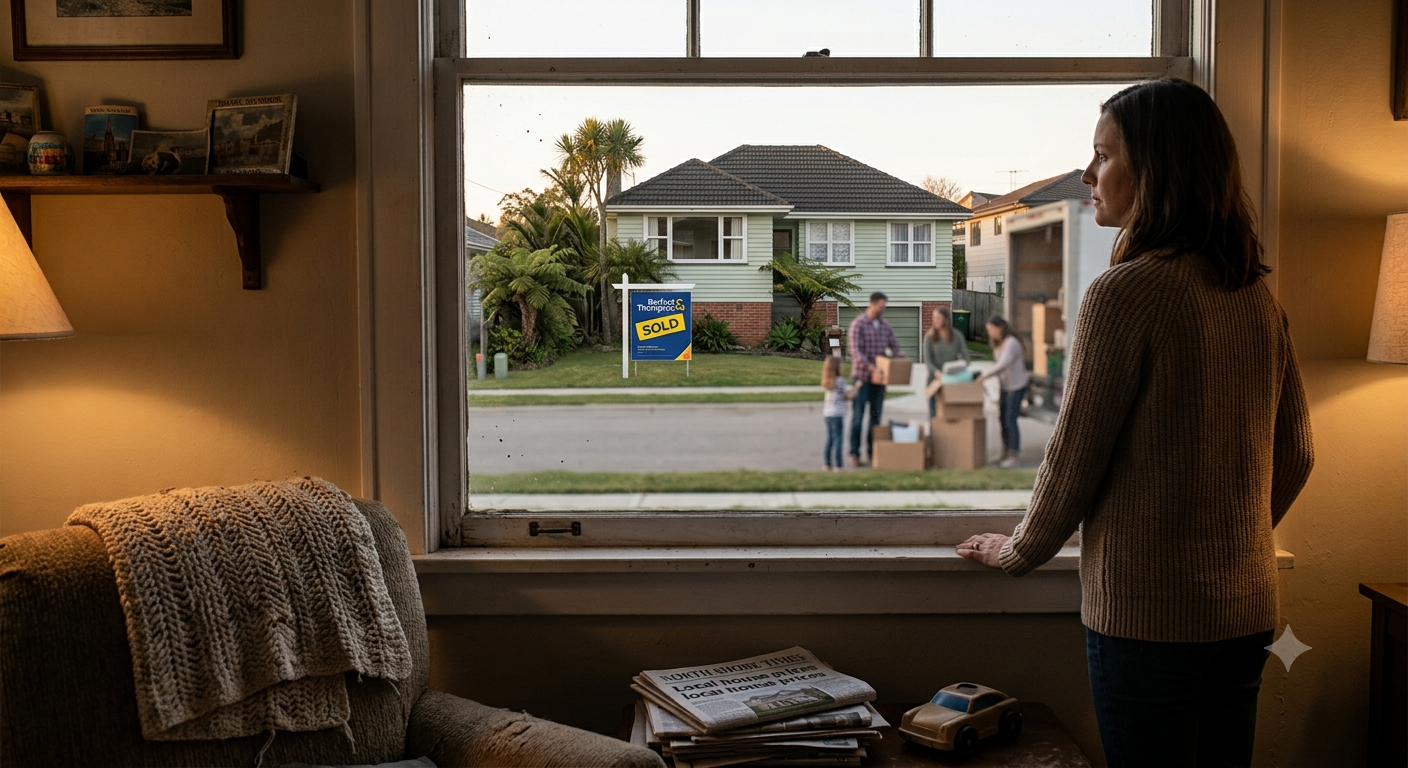
One important point that many homeowners overlook is that if you’re selling and buying in the same market, both properties are likely to move in a similar direction. If your current home increases in value, the property you’re hoping to purchase has probably increased too. While there may be differences between suburbs and property types, your overall buying position often remains much the same.
Interest rates can also have a greater impact than many people realise. A small change in borrowing costs can significantly affect what buyers can afford and how active they are in the market. Sometimes lower interest rates can create more buyer demand than a modest increase in house prices.
More importantly, property decisions are often driven by life, not the market.
Perhaps your family has outgrown your current home. Maybe the children have moved out and you’re considering downsizing. You may be relocating for work, retiring, or simply looking for a home that better suits your lifestyle. These are the moments that should guide your decision, rather than trying to predict the next market peak.
Rather than asking, “Is this the perfect market?” a better question may be, “Is this the right time for my family?”
Every homeowner’s circumstances are different, and there is no one size fits all answer. The key is understanding your options and making an informed decision based on your goals, not just the latest headlines.
If you’re thinking about selling but aren’t sure whether now is the right time, I’d be happy to provide a free, no obligation appraisal and talk through your options. Sometimes a simple conversation is all it takes to help you move forward with confidence.
Andre Volkov [027 243 6007 or email a.volkov@barfoot.co.nz]
15 JULY 2026
WHY HOMEOWNERS CHOOSE REAL ESTATE AGENTS THEY RELATE TO:
When people decide to sell their home, they often begin by comparing experience, recent sales, marketing, and commission. Those factors certainly matter, but after more than a decade of helping homeowners across Auckland’s North Shore, I’ve found there is another reason people choose their real estate agent.
They choose someone they connect with. Selling your home is one of life’s biggest decisions. It’s not just about bricks and mortar, it’s about memories, milestones, and the next chapter of your life. Whether you’ve lived in your home for three years or thirty, you deserve an agent who understands that every sale is personal.

For me, real estate has always been about people first.
My family moved to New Zealand from Russia in 1996 in search of new opportunities. Like many immigrants, we started from scratch. We worked hard, embraced a new culture, and built a life we are incredibly grateful for. Today, the North Shore isn’t just where I work, it’s where my family has grown, where my children were raised, and where I’ve had the privilege of helping hundreds of local families buy and sell their homes.
Perhaps that’s why so many of my clients tell me they felt comfortable from our very first meeting.
I don’t believe in high pressure sales. I believe in listening first, understanding your goals, and creating a strategy that works for your situation. Every homeowner is different, and every property has its own story.
Some clients want detailed updates throughout the campaign. Others simply want to know everything is under control. My role is to adapt to you, communicate honestly, and guide you through the process with confidence.
Real estate is built on trust.
You’re trusting someone to represent one of your most valuable assets, negotiate on your behalf, and help you make important decisions. That’s why I believe knowledge, experience, integrity, and genuine relationships all go hand in hand.
The North Shore is more than just my market, it’s my community. Every successful sale is about helping people move forward, whether they’re buying their first home, upsizing for a growing family, downsizing, or beginning a new chapter.
If you’re considering selling, meet with a few agents. Ask questions. Compare their experience.
Most importantly, choose someone you genuinely feel comfortable with.
The right relationship can make all the difference.
If you’re thinking about buying or selling on Auckland’s North Shore and would like honest advice with no obligation, I’d love to have a chat. Feel free to contact me anytime. Andre Volkov [027 243 6007 or email a.volkov@barfoot.co.nz]
9 JULY 2026
WHY LOCAL KNOWLEDGE CAN ADD THOUSANDS TO YOUR SALE PRICE:
When selling your property, it is easy to think of real estate purely in terms of bricks, mortar, and land size. However, the truest determinant of your final sale price is often the lifestyle attached to your address. Anyone can look up recent sales data online, but a generic agent lacks the hyper-local insight required to pitch the intangible value of your neighborhood.
True local knowledge allows an agent to tell a compelling story about your home, transforming it from just another listing into a highly coveted lifestyle opportunity that commands a premium price.

This is exactly why local homeowners turn to Andre Volkov. Known for an understanding of the market that is consistently described by clients as “spot-on,” Andre bridges the gap between simple property data and true local expertise.
A massive part of this lifestyle narrative comes down to schools, parks, and transport infrastructure. On the North Shore, a home sitting inside a specific school zone can instantly command a premium from parents desperate to secure their children’s education. Similarly, knowing the exact walking distance to local hidden gems, coastal reserves, or family-friendly parks adds layers of emotional value for buyers. Transport links are equally vital; an expert local agent doesn’t just mention that there is a bus stop nearby, but can explain the exact commuter times, ferry connections, or T3 transit lane advantages to a buyer who works in the CBD.
Furthermore, understanding the specific pool of local buyers is what truly drives competitive bidding. Local buyers often move within a tight radius, upgrading or downsizing within the suburbs they already love. An agent embedded in the community knows exactly what these buyers are looking for and, more importantly, understands how the micro-markets differ from street to street.
This hyper-local expertise becomes incredibly evident when you look at how features are valued across adjacent suburbs like Glenfield, Birkdale, and Bayview.
- In Glenfield, buyers are often hyper-focused on central convenience, seeking proximity to the mall, transit hubs, or properties with strong development and infill potential.
- In Birkdale, the priority shifts toward leafy, established family pockets where buyers heavily prize character homes, larger backyard spaces, and proximity to local intermediate and high schools.
- Meanwhile, in Bayview, the ultimate drawcard is often the quiet, bush-clad cul-de-sacs, coastal walkways, and the peaceful, community-focused lifestyle that sets it apart from busier hubs.
Knowing which of these features to highlight, and matching it with the right sale method, whether it’s auction, negotiation, or a specialized tender process, completely changes how a property is marketed and appraised. As one recent local vendor shared:
“Andre’s understanding of the market in my area was spot-on… he explained everything very clearly, especially as I used the tender process to sell my property which was a new experience for me. Andre made the whole process feel very manageable.”
Andre Volkov today to book your free appraisal and find out exactly what your local advantage is worth in today’s market.
[027 243 6007 or email a.volkov@barfoot.co.nz]
3 JULY 2026
Behind the Scenes: What a Real Estate Agent Actually Does to Sell Your Home:
There’s a common misconception that a real estate agent’s job consists entirely of sticking a “For Sale” sign in the front yard, hosting a single open house, and waiting for a massive commission check to roll in. If only it were that easy! In reality, the moment you sign a listing agreement, an intense, multi-layered machine roars to life behind the scenes. Long before the first buyer steps through your door, your agent is deep in the trenches conducting data-driven market analyses, crafting a hyper-targeted digital marketing strategy, and advising you on the exact styling tweaks that will net you top dollar. We aren’t just opening doors; we are orchestrating a complex, high-stakes project from scratch.

Once your home hits the market, the real hustle begins. It’s a whirlwind of qualifying buyers to weed out the window-shoppers, managing aggressive digital ad campaigns, and fielding dozens of late-night phone calls from interested parties. An agent acts as your marketing director, your administrative powerhouse, and your emotional buffer all at once. When an offer finally lands, that’s when the master negotiator hat comes on. We fight fiercely for your best interests, navigating complex legal contracts, appraisal hurdles, and inspection contingencies to ensure the deal doesn’t fall through at the eleventh hour. Selling a home is a full-time, high-stress endeavor, we just handle the chaos so you don’t have to.
Ready to take the next step or simply curious about your home’s current market value?
CALL today to claim your free, no-obligation property appraisal today! [027 243 6007 or email a.volkov@barfoot.co.nz]
26 JUNE 2026
How to Spot a Well-Maintained Home (even before the building report):
Walking into an open home in Glenfield or the surrounding North Shore suburbs can feel a bit like a whirlwind romance. Everything is beautifully staged, the lights are perfectly ambient, and there is usually a pleasant scent wafting through the air to greet you. But before you get swept off your feet and spend your hard-earned cash on a formal building report, it pays to do a little detective work of your own. While the North Shore boasts a fantastic family lifestyle, our local housing stock, frequently featuring classic 1960s and 1970s weatherboard or brick-and-tile homes, requires a dedicated hand to stay ahead of Auckland’s notoriously damp climate and shifting clay soils.

Your visual inspection should always start from the curb by looking closely at the exterior bones of the property. Take a good look at the roofline and the state of the gutters, which are the unsung heroes of any Auckland home. Given our heavy seasonal downpours, clogged, rusted, or sagging gutters are a fast track to internal water ingress and timber rot. A home with pristine, well-aligned gutters, freshly painted weatherboards, and intact window seals tells you the current owner hasn’t just ignored the property until it was time to put a “For Sale” sign up.
Next, shift your gaze downward to see how the house handles the rolling topography common to areas like Totara Vale, Hillcrest, and Wairau Valley. Auckland’s clay soils love to expand and contract, which can cause movement in older timber piles or concrete foundations over time. Look for pathways and lawns that slope away from the house rather than pooling water against the base, and check any retaining walls for bowing or cracking. A property that features clear, functional drainage solutions and solid ground clearance is a massive green flag that suggests the underlying structure is healthy.
Once you step inside, turn off the romance for a moment and let your practical senses do the talking. Open and close the doors and windows to see if they glide smoothly or stick firmly in their frames, as sticking can be an early warning sign of structural movement or hidden moisture swelling. Pay attention to the natural ambient scent of the home before the staging candles trick your nose; a truly dry, well-ventilated house will feel fresh and crisp naturally. By training your eyes to spot these maintenance victories early, you can confidently shortlist the true gems of the North Shore market and save yourself a lot of time and heartbreak.
Planning your next move on the North Shore? Contact our expert local team today for a free property appraisal or trusted advice on navigating the Glenfield market! [027 243 6007 or email a.volkov@barfoot.co.nz]
19 JUNE 2026
The Role of Emotion vs Logic in Real Estate Decisions:
Whether you are buying your very first home or selling a property you’ve owned for decades, property transactions are rarely just about bricks and mortar. They are a fascinating tug-of-war between the heart and the head.
Understanding how emotion and logic interact can mean the difference between a stressful ordeal and a highly successful transaction. Here is a breakdown of how these two forces drive real estate decisions and how you can strike the perfect balance.

The Emotional Drive: Finding a “Home”
For most people, a house isn’t just an asset; it’s the backdrop to their lives. Emotional buyers and sellers focus on how a property feels.
- The Buyer’s Perspective: It’s that instant spark when walking through an open home—envisioning where the Christmas tree will go, picturing kids playing in the backyard, or falling in love with the morning sunlight in the kitchen.
- The Seller’s Perspective: Attachment to the memories made within the walls can make it difficult to view the property objectively, often leading to sentimental overpricing.
While passion is what turns a house into a home, letting emotion completely take the driver’s seat can lead to overpaying or ignoring glaring red flags (like a compromised roof or poor structural integrity) just because the styling is beautiful.
The Logical Approach: Analyzing the “Asset”
Logic is the grounding force that keeps a real estate transaction safe and profitable. It relies entirely on cold, hard data.
- Market Data: Looking at recent comparable sales, active listings, and current market trends.
- The Checklist: Assessing practicalities like school zones, proximity to public transport, maintenance costs, and potential resale value.
- The Budget: Sticking strictly to financial boundaries, accounting for interest rates, hidden fees, and renovation costs.
Pure logic protects your bank account, but if you rely only on numbers, you might end up with a property that ticks every financial box but feels completely sterile and uninviting to live in.
Striking the Perfect Balance
The most successful real estate moves happen when emotion and logic work together. You want to find a property that captures your heart but also makes complete sense on paper.
This is exactly where a seasoned real estate professional comes in. An experienced agent acts as your logical anchor, keeping your emotions in check during negotiations while fully respecting and understanding your personal goals.
Are you ready to make your next move with confidence? Looking for a free appraisal? Contact Andre, or reach out if you just need to understand the market better. [027 243 6007 or email a.volkov@barfoot.co.nz]
12 JUNE 2026
A day in the life of a North Shore Real Estate Agent:
Ever wondered what actually goes on behind the scenes of a busy real estate agent working the hustle and bustle of Glenfield and its surrounding suburbs? Hint: It’s a fast-paced mix of strategy, deep local knowledge, and an exceptional amount of caffeine.
The mid-Shore property market has found a steady, balanced rhythm. Because Glenfield is a primary hub for families and first-home buyers, navigating it requires an agent who knows these streets inside and out. Here is a sneak peek into what a typical day looks like on the ground.
7:30 AM – The Fuel-Up and Market Scan
Every successful day starts with a premium flat white from a local favorite spot near Glenfield Mall or Wairau Valley. The first hour of the day is spent scanning new listings, checking the latest auction results, and analyzing data to see exactly how property values are shifting right here in our neighborhood.
10:00 AM – Desktop Deep-Dive: Putting Together Appraisals
Before hitting the road, the mid-morning is entirely dedicated to the paperwork and strategy that drives successful sales. This specialized block is focused on putting together detailed property appraisals. It involves crunching the latest hyper-local data to give sellers a highly accurate look at what their home is worth right now. This is also when marketing campaigns are reviewed to ensure digital ads are precisely targeted, and incoming buyer inquiries are answered.

1:00 PM – On the Road: Open Home Prep, Presentation, and Problem-Solving
The afternoon is when the rubber hits the text. This block involves being out on the road, walking through properties for upcoming open homes across Glenfield, Bayview, and Hillcrest.
This is where the real hands-on problem-solving happens. Sometimes, it means dealing with “problem houses” that need unexpected maintenance, or meticulously coordinating the finer details of a listing, like checking that properties are perfectly presentable or organizing local trades to get a house market-ready. Seeing these homes in person ensures that everything is flawless before the public steps through the door.
4:00 PM – Negotiations and Deal-Making
This is where the magic happens. In a stabilizing market, negotiation is an art form. It’s about bringing realistic sellers and motivated buyers together to find a win-win. Whether it’s finalizing a contract or prepping a vendor for an upcoming auction, communication is non-stop.
Evenings – The Extra Mile
Real estate doesn’t punch out at 5:00 PM. In fact, some of the most critical work happens after hours. Some evenings involve late-night negotiations to finalize contracts while the momentum is strong, or visiting potential vendors at their dining tables after they’ve finished work to comfortably map out their selling strategy.
The Wrap-Up
By the time the day officially closes, the phone is finally quiet. It’s a demanding role, but helping local families make their next big life move in the Glenfield area makes every single mile driven worth it.
Your Next Step: If you are looking for a free appraisal contact Andre or if you need to understand the market better.
[027 243 6007 or a.volkov@barfoot.co.nz]
05 JUNE 2026
Real Estate Myths That Need to Be Retired:
Whether you are catching up with friends over a flat white or chatting over the fence with your neighbours, real estate is easily the North Shore’s favourite topic of conversation. Because everyone loves talking about property, it is incredibly easy for old real estate advice to morph into gospel truths. The reality is that the Auckland market evolves rapidly, and relying on outdated folklore can end up costing you valuable time and money. It is time to officially retire a few of the most persistent real estate myths that are still doing the rounds on the Shore.

The Myth: Your CV is Exactly What Your Home is Worth
Perhaps the most common misconception on the Shore is that a property’s Council Valuation (CV) is a definitive reflection of its current market value. In truth, these figures are generated by the council purely for rating purposes using mass-appraisal algorithms. They do not factor in that stunning new kitchen you just installed, your immaculate landscaping, or how much buyers are currently willing to compete for a family home in suburbs like Glenfield, Beach Haven, or Hillcrest. A property can easily sell for significantly more or less than its CV depending on real-time market dynamics, making it an unreliable anchor for your expectations.
The Myth: You Should Price High to Leave “Room for Negotiation”
Another piece of advice that needs to be permanently retired is the idea that you should list your home significantly above its true value to give yourself “wriggle room” during negotiations. Today’s North Shore buyers are incredibly sophisticated and well-researched; they track local sales data closely and know exactly when a property is overpriced. When a home is launched with an unrealistic price tag, it simply sits on the market, grows stale, and loses its crucial initial momentum. Pricing accurately from day one, or utilizing a structured competitive method like a tender or auction, is actually what drives the urgency needed to secure a premium result.
The Myth: You Have to Wait Until Spring to Sell
We also need to push back against the old rule of thumb that you should wait until the spring months to put your property on the market. While it is true that the North Shore looks spectacular when the weather warms up, waiting for the spring rush means your property will be competing with an absolute tidal wave of new listings. Selling during the cooler months often yields exceptional results because the buyers who are out inspecting properties are highly motivated, yet they have far fewer homes to choose from, putting your property directly in the spotlight.
Navigating the local property market successfully requires shifting your focus away from neighbourhood gossip and looking closely at real-time data and proven strategy. If you are looking for an obligation-free appraisal please contact me, or if you just have questions about the market, I am always here to help you separate fact from fiction.
29 May 2026
How Small Improvements Can Make Your Home Feel More Valuable Without Renovating:
When preparing a home for sale, many homeowners assume they need to spend large amounts of money on major renovations to achieve a strong result. However, in many cases, small improvements and thoughtful presentation can make a significant difference to how buyers perceive a property. Creating a home that feels clean, welcoming, and well cared for can often increase buyer interest without the stress and cost of a full renovation.
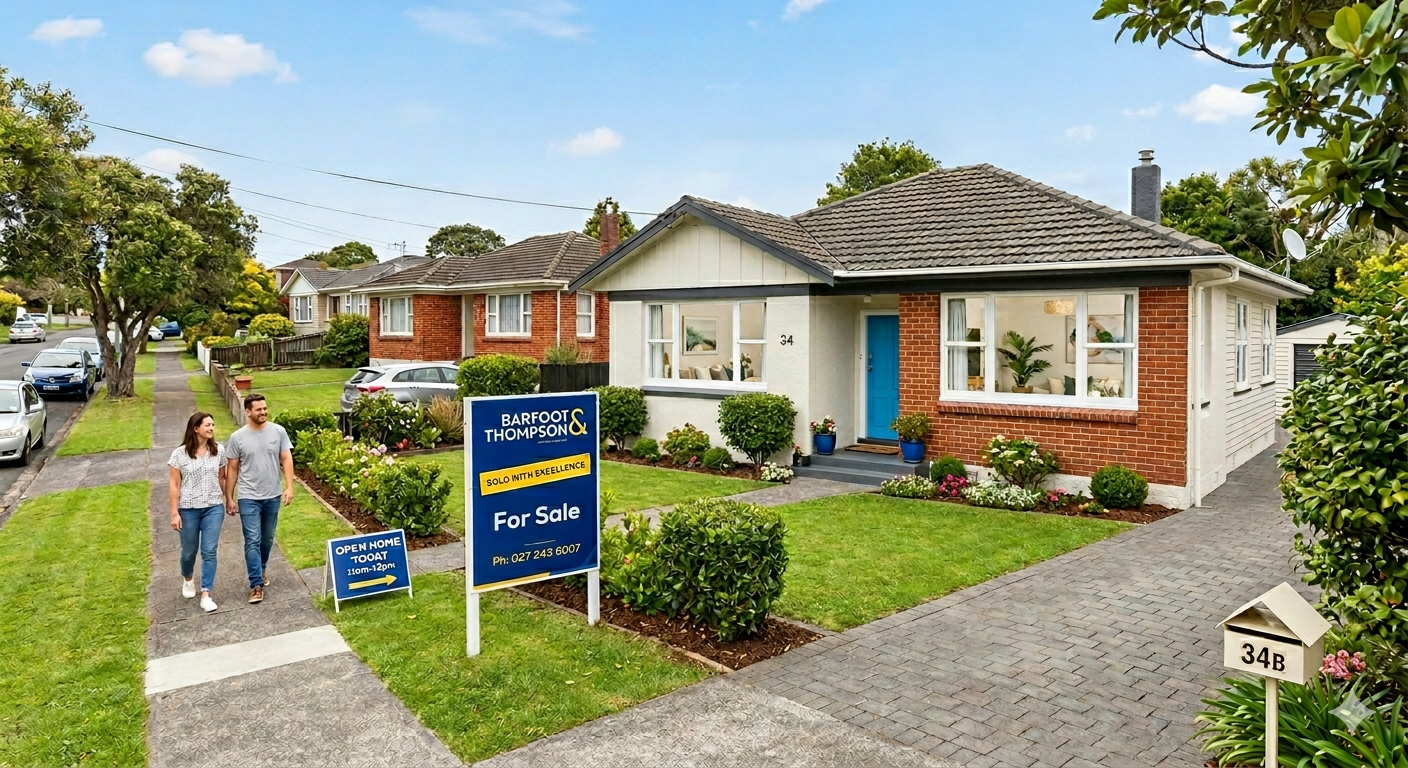
One of the most effective ways to improve the feel of a home is through decluttering. Removing excess furniture, personal items, and unnecessary clutter can instantly make spaces feel larger, brighter, and more functional. Buyers want to imagine themselves living in the property, and a clean, open environment helps create that emotional connection.
Lighting also plays a major role in presentation. Simple changes such as opening curtains, cleaning windows, replacing old light bulbs, or adding modern lighting can completely transform the atmosphere of a home. Bright spaces tend to feel more inviting and spacious, which can leave a strong first impression during open homes and online viewings.
Street appeal is equally important. First impressions begin before buyers even walk through the front door. Tidying gardens, mowing lawns, trimming hedges, pressure washing paths, and adding a few simple plants can dramatically improve the overall appearance of a property. Small exterior improvements often help create a sense that the home has been well maintained over time.
Inside the home, affordable cosmetic updates can also have a strong impact. Fresh paint in neutral tones, updated door handles, modern tapware, or replacing worn carpets can help a property feel more modern without requiring major renovations. Even simple styling touches such as cushions, fresh towels, indoor plants, and tidy outdoor furniture can help create a warm and welcoming environment.
Presentation has become more important than ever in today’s market, especially as many buyers first discover properties online. High-quality presentation not only improves photography and marketing but can also increase the number of buyers attending open homes.
Often, it is not about completely transforming a property, it is about helping buyers see the home’s full potential. Small, affordable improvements can create a stronger emotional response, increase buyer confidence, and ultimately help achieve a better result when selling.
If you are thinking about selling your property on Auckland’s North Shore and would like advice on how to best present your home for today’s market, feel free to get in touch. We are always happy to provide a free, no-obligation property appraisal and helpful guidance on preparing your property for sale.
22 May 2026
Top 7 Mistakes North Shore Home Sellers Make (And How to Avoid Them):
Selling a home on the North Shore can be an exciting opportunity, but it can also be a costly experience if a few common mistakes are made along the way. In today’s market, buyers are well informed and have plenty of options, which means every detail matters. Whether you are selling a family home in Glenfield, a townhouse in Albany, or an apartment in Takapuna, avoiding these mistakes can help you achieve a better result.
- Overpricing Your Property
One of the most common mistakes sellers make is setting an unrealistic asking price. It is natural to hope for the highest possible return, but if your home is priced above market expectations, buyers may overlook it entirely. Properties that sit on the market for too long often become stale, and price reductions later can make buyers wonder what is wrong with the property. A well-researched pricing strategy based on current market evidence usually generates more interest and stronger offers.
- Poor Presentation
First impressions matter. Buyers often decide how they feel about a property within seconds of walking through the door. Cluttered rooms, untidy gardens, and personal items can distract from the home’s best features. Simple improvements such as decluttering, cleaning, and adding fresh touches can make a significant difference and help buyers emotionally connect with the property.
- Using Low-Quality Photos
Most buyers begin their search online, so your photos are often the first opportunity to attract attention. Dark, poorly framed, or low-resolution images can make even a great property look unappealing. Professional photography, videography, and floor plans help your listing stand out and encourage more buyers to attend open homes.
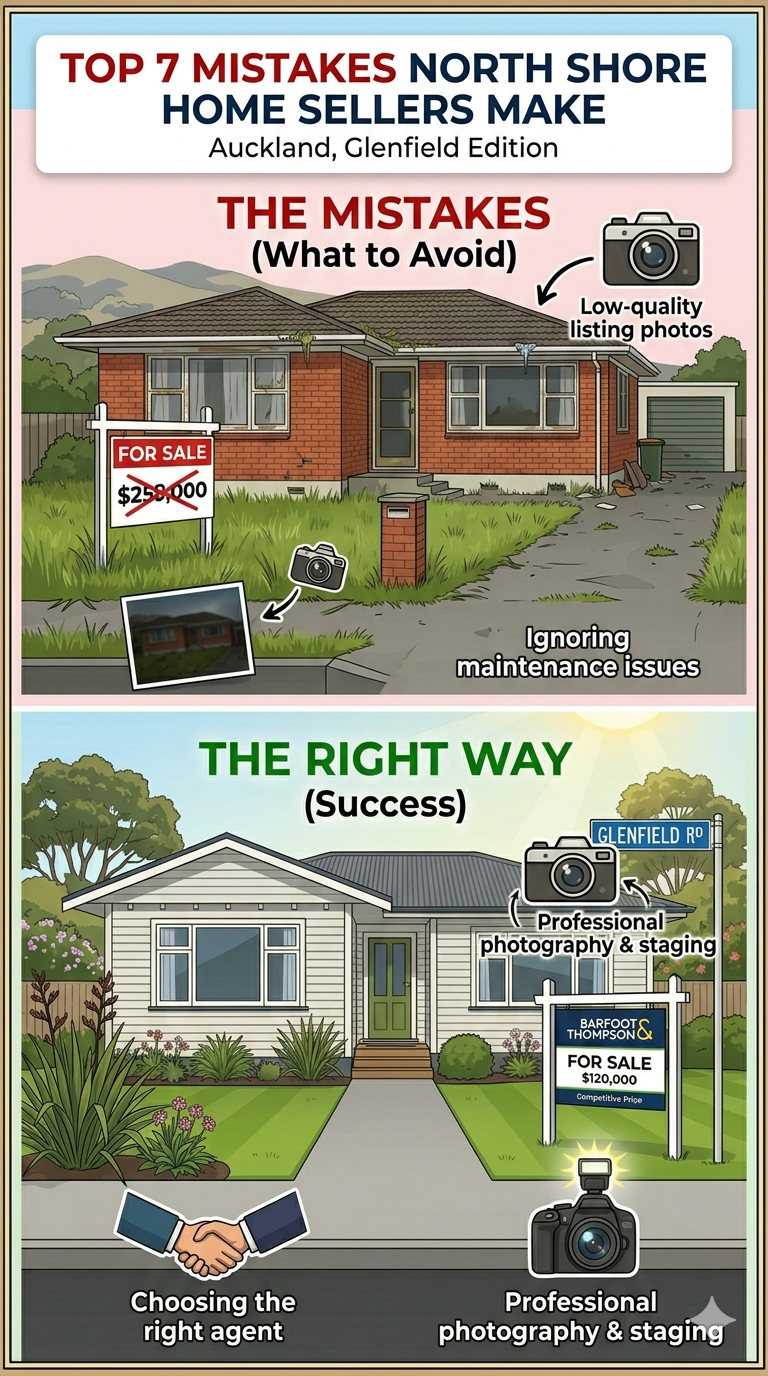
- Ignoring Maintenance Issues
Minor issues such as peeling paint, dripping taps, loose handles, or damaged fences can create the impression that the property has not been well cared for. Buyers may assume there are larger hidden problems and factor this into their offers. Addressing obvious maintenance items before going to market can improve buyer confidence and help avoid unnecessary objections during negotiations.
- Not Being Prepared for Building Reports
Many buyers today carry out thorough due diligence, including building inspections and moisture testing. If there are known issues, it is better to understand them early and plan how to present them rather than being caught off guard once a buyer raises concerns. Honest disclosure and a clear strategy can preserve trust and keep deals together.
- Limiting Your Marketing Exposure
Some sellers underestimate the importance of comprehensive marketing. A strong campaign should include professional photography, online advertising, social media promotion, and access to a broad database of buyers. The more qualified buyers who see your property, the greater the chance of generating competition and achieving the best price.
- Choosing the Wrong Agent
Not all real estate agents offer the same level of service, communication, or negotiation skill. The right agent will provide honest advice, a tailored marketing strategy, and consistent communication throughout the process. They will also know how to navigate challenges and keep buyers engaged when issues arise.
Final Thoughts
Selling a property is one of the most significant financial decisions you will make. Avoiding these common mistakes can save you time, reduce stress, and put you in a stronger position to achieve the best possible result. With the right preparation and expert guidance, even a challenging sale can be managed successfully.
If you are thinking of selling your home on the North Shore and would like practical, no-obligation advice, contact André Volkov for a free appraisal and a tailored strategy to help you move forward with confidence.
15 May 2026
What Sets André Volkov Apart:
Choosing the right real estate agent is rarely just a practical decision, it’s a personal one. For many homeowners on Auckland’s North Shore, working with André Volkov comes down to a consistent feeling of trust, clarity, and confidence throughout the entire selling process.
André’s approach has been shaped by a diverse background that combines engineering training, business education, and many years of experience in sales and sales management. That mix shows up in the way he works: structured, methodical, and grounded in evidence rather than guesswork. Clients often notice that he doesn’t rely on hype or overpromising. Instead, he takes the time to explain the market, outline realistic expectations, and build a strategy that is tailored to the property and the current conditions. For many sellers, that honesty is the starting point of a strong working relationship.
What stands out most in client feedback is how consistently André is described as calm, clear, and easy to deal with. Selling a home can be an emotional experience, particularly when there are memories attached or when timing is important. Homeowners frequently mention that André helps reduce that stress by staying steady and approachable throughout the campaign.
He communicates regularly, explains what is happening behind the scenes, and ensures clients are never left wondering where things are at. That level of communication creates a sense of control in what is often an unfamiliar process.

Another recurring theme in testimonials is his ability to balance professionalism with genuine care. Clients often note that he is approachable and easy to talk to, whether it is early in the appraisal stage or right through to negotiations with buyers. This matters because real estate decisions are rarely straightforward. There are questions, changes, and sometimes uncertainty along the way. Having an agent who responds quickly and explains things clearly makes a significant difference to how supported homeowners feel.
André’s results-driven mindset is another reason so many clients recommend him. Working within the Barfoot & Thompson network gives him access to one of the strongest marketing platforms in Auckland, but it is the way he uses that platform that clients consistently highlight. His marketing approach is considered and strategic, designed to present each home in its best light while targeting the right buyers. Combined with his negotiation skills, this often leads to strong outcomes that meet or exceed expectations. Sellers frequently reflect on the fact that they felt well-informed and confident during negotiations, even in competitive or changing market conditions.
Local knowledge also plays a major role in why André is trusted by North Shore homeowners. Having lived and worked in the area for many years, he understands the nuances of suburbs such as Glenfield, Bayview, Beach Haven, Birkdale, Hillcrest, and surrounding areas. Clients often comment that this local understanding translates into more accurate pricing strategies and better positioning of their property in the market. It also means he understands buyer behaviour in the area, which helps when shaping campaigns and guiding expectations.
Behind the scenes, André also works as part of a coordinated team, which clients often appreciate more than they initially expect. From marketing preparation through to buyer follow-up and administrative support, the process is handled efficiently and professionally. This team structure ensures that no detail is overlooked and that every campaign runs smoothly from start to finish.
Ultimately, what sets André apart is not one single factor, but the combination of all these elements working together. Clients don’t just talk about results, they talk about how the process felt. Many describe it as smooth, straightforward, and well-managed. Others highlight the sense that they were being looked after by someone who genuinely cared about achieving the best possible outcome for them, not just completing a transaction.
In a market where homeowners have many agents to choose from, André’s reputation has been built steadily through consistency. Clear communication, honest advice, strong negotiation, and local expertise all contribute to why so many clients are comfortable recommending him to others. For sellers on the North Shore, that combination is often exactly what they are looking for: someone who not only understands the market, but also understands people.
If you’re considering selling or simply want an update on your property’s value, get in touch today for a free, no-obligation appraisal.
8 May 2026
The Hidden Pockets of Glenfield Buyers Are Starting to Notice:
Glenfield is quietly stepping out from the shadows and into the spotlight, and those paying close attention are starting to see why. Long regarded as a rental-heavy suburb, it’s now being redefined by a new wave of buyers who recognise its untapped potential. There’s a growing sense that Glenfield offers something increasingly rare on the North Shore: a genuine mix of space, convenience, and long-term upside, without the price tag seen in neighbouring suburbs. It’s this balance that’s turning heads, particularly among first-home buyers and savvy investors who are looking beyond the obvious.

At the heart of Glenfield is a level of convenience that makes everyday living feel effortless. With Glenfield Mall anchoring the suburb and the retail hub of Wairau Valley just minutes away, everything you need is right on your doorstep. Think along the lines of Wairau Road, lined with large-format retail, trade stores, car dealerships, and everyday essentials, places like Supercheap Auto, home improvement outlets, and specialty stores that make day-to-day life simple. It’s this “everything within reach” feel that gives Glenfield a real sense of being a central hub on the North Shore.
Location is another major part of the appeal. Glenfield sits in a surprisingly strategic position, close enough to the motorway to make commuting straightforward, with the CBD often around a 10-minute drive off-peak. That accessibility, combined with strong local infrastructure, makes it an attractive option for buyers who want connectivity without sacrificing space or affordability.
What often surprises people is just how much green space Glenfield has woven into it. Pockets of calm can be found in places like Marlborough Park, along with nearby bush reserves and walking tracks that give the area a relaxed, almost tucked-away feel. There’s a softness to Glenfield, tree-lined streets, established homes, and a sense of community that doesn’t feel overdeveloped or rushed. For families and first-home buyers, that blend of affordability and liveability is a powerful drawcard.
But beyond lifestyle, there’s another layer to Glenfield that’s attracting increasing attention opportunity. Many properties still sit on generous sections, often with older homes that lend themselves to redevelopment or improvement. As Auckland continues to evolve and intensification becomes more widespread, Glenfield is emerging as a suburb with genuine development potential. For those with a keen eye, it’s not just about what the property is today, but what it could become tomorrow.
Within the suburb itself, certain pockets are starting to stand out. Buyers are gravitating toward quieter streets, elevated positions, and locations close to parks and schools, areas that offer both immediate appeal and long-term value. These are the spots where competition is beginning to build, as more people recognise that not all parts of Glenfield are created equal.
All of this points to a subtle but important shift. Glenfield is no longer simply seen as an affordable option, it’s becoming a considered choice. For buyers, it represents a foothold into the North Shore with room to grow. For developers and investors, it offers opportunity in a market where land and potential are becoming harder to secure. And for homeowners, it signals rising interest and the chance to capitalise on renewed demand.
Glenfield may not shout the loudest, but right now, it doesn’t need to. Those who know, know.
If you’re thinking about selling, or simply want to understand what your property could be worth in today’s market, don’t hesitate to get in touch, I’m always happy to have a chat.
30 April 2026
Why This Economy Could Present One of the Best Buying Opportunities in Recent Years:
There’s no denying that the current economy in New Zealand has caused many buyers to pause. Ongoing cost-of-living pressures and cautious media commentary have led to a common belief that it may be better to wait before making a property decision.
However, when you look beyond the headlines, the current environment is quietly creating conditions that are, in many ways, more favourable for buyers than we’ve seen in recent years.

One of the most noticeable shifts is the reduction in competition. In previous years, buyers were often navigating fast-paced situations where decisions had to be made quickly, with limited opportunity to negotiate or carry out thorough due diligence. Today, that intensity has eased. Buyers generally have more time to assess their options, ask questions, and make considered decisions without the same level of pressure that defined the earlier market cycle.
At the same time, the balance between buyers and sellers has become more even. Vendors are typically more open to negotiation, both in terms of price and conditions. This allows buyers to structure offers more carefully and protect their position, creating a more measured and less stressful purchasing process. Rather than reacting to urgency, buyers can focus on making decisions that genuinely suit their needs and long-term goals.
Another key advantage in the current economy is the level of choice available. With properties often taking longer to sell, there is more stock on the market at any given time. This gives buyers the ability to compare options and avoid compromising simply because supply is limited. Having the space to be selective is a significant advantage, particularly when compared to the constrained conditions seen in more competitive periods.
It is also important to consider where we are in the broader cycle. Interest rates have come down from their recent peak and are now showing signs of stabilising. While no one can predict exact movements, the current environment suggests we may be closer to the bottom of the rate cycle than the top. Historically, as confidence begins to return and conditions improve, competition increases and upward pressure on prices can follow. The buyers who tend to benefit most are often those who act before that shift becomes widely recognised.
Trying to perfectly time the market is rarely the most effective strategy. A more practical approach is to focus on securing the right property under conditions that offer flexibility and opportunity. In that context, the current economy is not necessarily something to avoid, but rather something to understand and navigate strategically.
While it may not feel obvious at first glance, today’s conditions are giving buyers more control, more choice, and greater negotiating ability than they have had in several years. For those who are financially prepared and thinking long-term, this is a window of opportunity that is well worth considering.
Thinking about selling? Reach out to Andre for a chat a.volkov@barfoot.co.nz about your property and the current market.
Looking to buy? View Andre’s available listings here: www.barfoot.co.nz/our-people/a.volkov
24 April 2026
A Shift in the Market:
What Buyers and Sellers Need to know in Glenfield Right Now
As we move past the Easter period, there’s a noticeable change in the pace and tone of the property market across the North Shore. The early-year rush has eased, and what we’re seeing now is a more settled, focused environment where both buyers and sellers are approaching decisions with greater intent.
This time of year often brings a shift in buyer behaviour. The large numbers of casual attendees at open homes begin to taper off, leaving behind a more serious group of purchasers who are actively looking to secure a property.
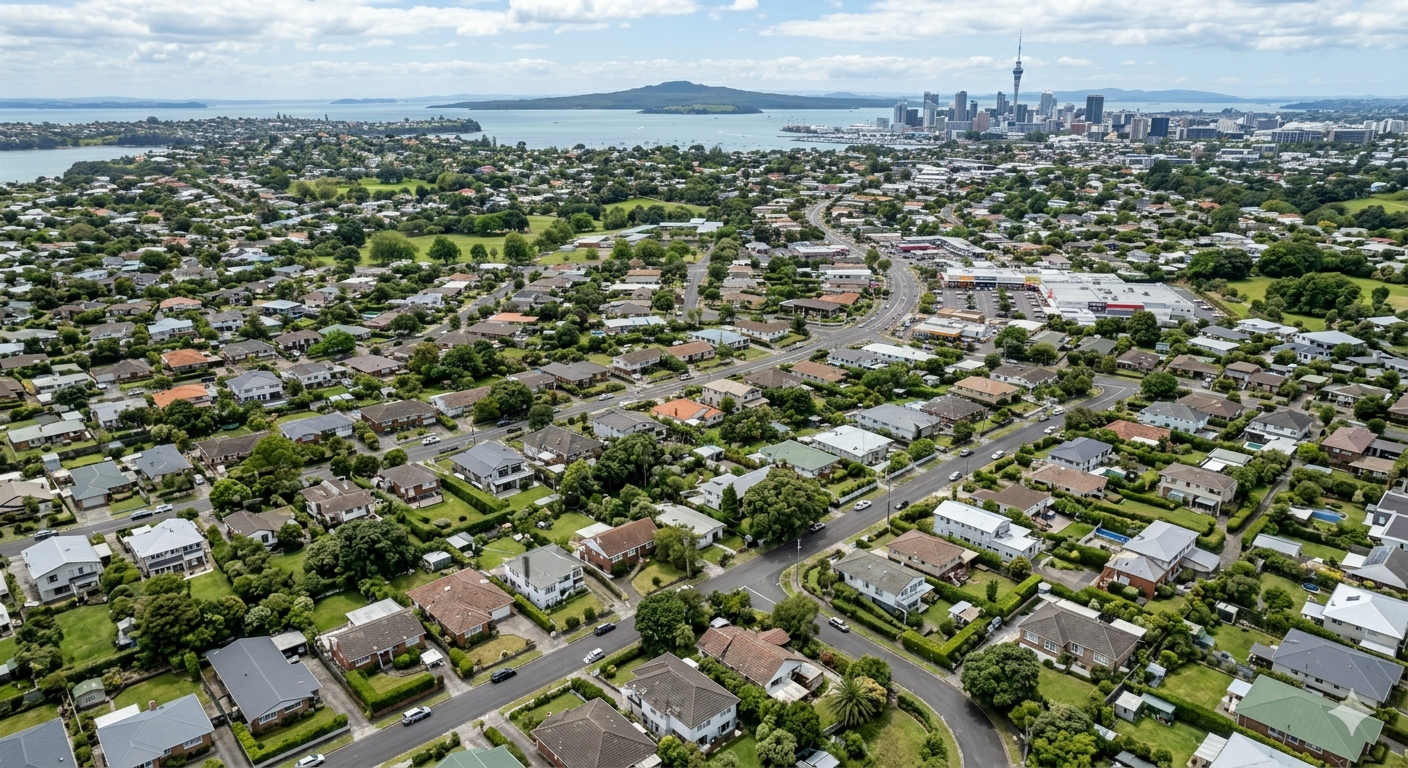
For sellers in Glenfield, this can be a significant advantage. Fewer people through the door doesn’t mean less interest, it often means better-quality interest from buyers who are ready to take the next step.
Another key factor shaping the market right now is how properties are presenting. As the weather cools slightly, buyers become more aware of comfort, warmth, and overall condition. Homes that feel dry, well-maintained, and easy to live in tend to leave a stronger impression. This gives sellers an opportunity to showcase the practical strengths of their property, rather than relying purely on aesthetics or summer appeal.
We’re also seeing a more balanced dynamic between supply and demand. Compared to busier periods of the year, there are typically fewer new listings coming to market, which helps existing properties stand out. In areas like Glenfield, where buyer demand remains steady, this can create favourable conditions for sellers, as serious buyers have fewer options to choose from.
For buyers, the current market offers a different kind of opportunity. With less noise and competition compared to peak periods, there’s more space to make considered decisions. Open homes feel less pressured, and negotiations can be approached with a clearer mindset. This can be particularly beneficial for first-home buyers or those looking to secure value without the intensity of a highly competitive market.
Overall, what we’re seeing in Glenfield right now is not a slowdown, but a shift. The market is becoming more deliberate, more considered, and in many ways, more predictable. For those willing to engage with it, this can be an ideal time to make a move, whether that’s taking advantage of motivated buyers or securing a property with less competition.
If you’re thinking about buying or selling in Glenfield, feel free to reach out for a chat.
10 April 2026
The Homes That Got Away
And what they taught Buyers in Glenfield
In real estate, there’s one thing almost every buyer has in common, a property they still think about.
It might be the one with the sunny backyard in Glenfield, the home close to the local schools, or simply the place that just felt right the moment they walked through the door.
And for one reason or another… they missed it.

Over time, I’ve had many conversations with buyers reflecting on “the one that got away.” While every situation is different, the lessons behind those moments are often surprisingly similar, and incredibly valuable for anyone currently looking to buy in Glenfield.
One of the most common things I hear is, “We really liked it… we just wanted to think about it.” And that’s completely understandable. Buying a home is a big decision, and taking a moment to process things feels like the right thing to do.
But in a suburb like Glenfield, where well-presented homes with good outdoor space and practical layouts attract strong interest, timing can make all the difference. By the time some buyers come back for a second look, someone else has already stepped forward with confidence. Often, it’s not that they didn’t love the property, they just didn’t realise how quickly a decision would need to be made.
I’ve also spoken with buyers who assumed there would be room to negotiate later. They recognised the value, liked the home, but held back slightly, thinking they could revisit the conversation once things progressed.
What tends to happen instead is that another buyer moves decisively. Competition changes the dynamic quickly, and the opportunity to negotiate often disappears altogether. In those moments, it becomes less about securing a “perfect deal” and more about missing out on the right home.
Then there are the buyers who genuinely were ready in every sense, except on paper. Finance hadn’t quite been finalised, or they weren’t completely clear on their budget or limits. When the right property came along, everything else was there… but they just couldn’t move quickly enough.
It’s a tough situation, especially when the interest is real. But it highlights how much confidence comes from being fully prepared. When everything is aligned, decisions become clearer and acting quickly feels far less overwhelming.
Glenfield continues to be a popular choice for a wide range of buyers, from first home buyers to families and investors. Its practicality, location, and overall value mean that when a property ticks the right boxes, it often creates a genuine emotional connection.
And that’s usually where hesitation carries the biggest risk.
Missing out on a property is never easy, but it often brings clarity. Buyers become more decisive, more focused, and more aware of what truly matters to them. And when the next opportunity comes along, they’re in a much stronger position to act.
If you’re currently looking in Glenfield, or even just starting to think about it, having a clear plan can make all the difference. Even a simple conversation can help you feel more prepared and confident when the right property comes along.
I’m always happy to have a chat, whether it’s about the process, what to look out for, or how to put yourself in the best position when the opportunity presents itself.
2 April 2026
Making the Most of the Long Weekend on the North Shore
There’s something about a long weekend that feels a little different.
The pace slows, the usual routines pause, and there’s finally time to do the things that often get pushed aside during a busy week. For many, it’s a chance to catch up with family and friends, enjoy a good coffee in the sun, or simply get out and explore a bit more of what’s on offer locally.
And here on the North Shore, that’s exactly what people tend to do.
A Time to Explore
Long weekends often bring a noticeable lift in activity across the Shore. Cafés are a little fuller, parks a little busier, and the local streets feel just that little bit more alive.
It’s also a time when people take the opportunity to explore their own neighbourhood a bit more closely.
In places like Glenfield, that might mean a relaxed walk through familiar streets, noticing homes you may not have paid attention to before, or simply getting a better feel for what’s happening in the area. Without the usual time pressure, there’s space to take it all in, how a street feels, where the sun sits in the afternoon, and how everything connects.


More Time, Less Rush
One of the biggest advantages of a long weekend is simple: time.
For buyers, that often means being able to attend open homes without trying to squeeze everything into a single busy Sunday. There’s more flexibility to revisit properties, compare options, and make clearer decisions without feeling rushed.
It’s also not uncommon to see more people out and about at open homes during these weekends. Some are actively searching, while others are just starting to get a feel for the market. Either way, it creates a more engaged and considered atmosphere.
A Subtle Reminder of Lifestyle
What stands out during weekends like these isn’t just the homes, it’s the lifestyle around them.
The ease of popping out for a coffee, the convenience of having everyday essentials close by, and the sense of community that becomes more visible when people have the time to enjoy it.
In suburbs like Glenfield, it’s often these small, everyday moments that really shape how a place feels to live in.
Thinking Ahead
Long weekends also tend to be a natural point for reflection. With a bit more breathing room, people start thinking about what’s next, whether that’s upsizing, downsizing, or simply making a move within the area.
For some, it’s the first step in a bigger decision. For others, it confirms what they already appreciate about where they are.
Making the Most of It
However you choose to spend the long weekend, it’s a good opportunity to slow down and take a look around. Whether that’s visiting a few open homes, exploring your local area, or just enjoying what’s close to home, it all adds to the bigger picture.
And if property is on your mind, even just in the background, it’s often these quieter moments that provide the clarity to take the next step.
However you choose to spend the long weekend, we hope you have a safe and enjoyable break, and perhaps even discover something new about the place you call home.
Wishing you a lovely Easter weekend.
If you’re thinking about buying or selling, it always helps to have a clear picture of what’s happening right now, not just in the wider market, but street by street. Feel free to reach out if you’d like to chat, always happy to share what we’re seeing.
27 March 2026
What $1 Million Buys You on the North Shore in 2026
If you’ve been watching the North Shore market lately, you’ve probably asked yourself the question: what does $1 million actually get you right now?
The interesting part is that the answer can change quite a bit, even within a short drive. In areas like Glenfield, Bayview, and Birkdale, we’re seeing buyers really weigh up their options, looking closely at what matters most to them, whether that’s location, space, or potential.
In Glenfield, $1 million still goes a long way in terms of practicality and convenience. Buyers are typically finding solid three-bedroom homes on decent freehold sections, often built in the 60s through to the 80s.
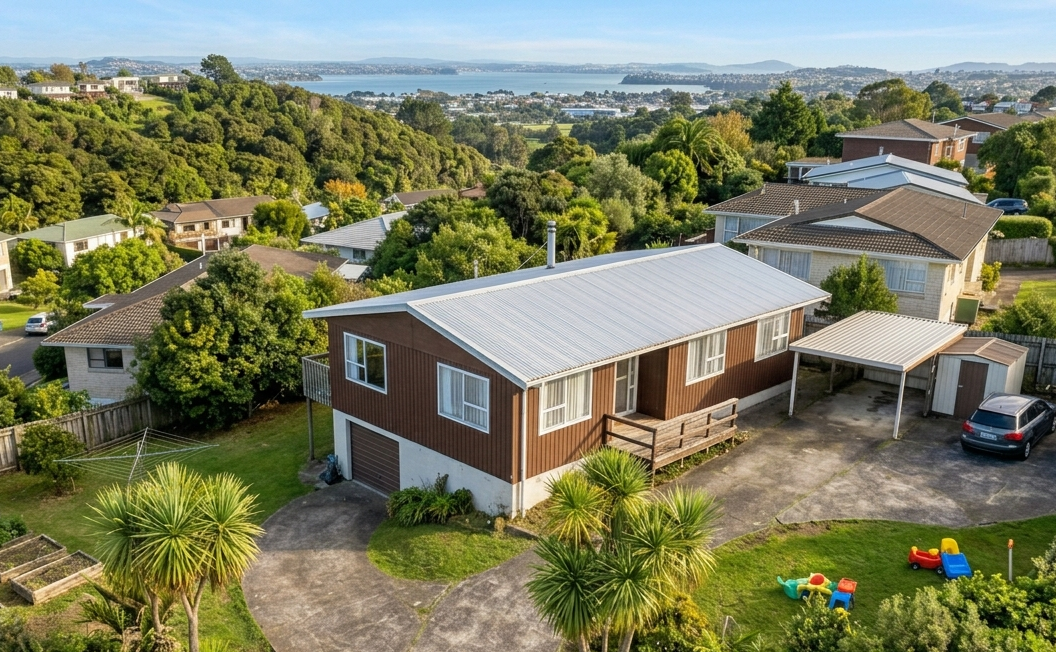
These are the kinds of homes that have stood the test of time. They may not always be fully modernised, but they’re reliable, well-located, and close to everything people need day-to-day. For many buyers, that convenience is a big drawcard. You’re near the shops, schools, and main transport routes, which makes everyday living that much easier. The trade-off, in some cases, is that you might be planning a renovation at some point down the track, but for a lot of people, that’s part of the opportunity.
A few minutes away, Bayview is starting to catch the attention of buyers who want a bit more for their money. There’s a noticeable difference here in terms of space and feel. Properties often sit on larger sections and have a more private, leafy setting. Around the $1 million mark, buyers are seeing homes that offer that extra bit of room, whether it’s inside or out. There’s also a sense of potential in Bayview. Some homes are ready to move into, while others leave room to add value over time. It’s not uncommon to come across properties with unique layouts or slightly more challenging access, but for many buyers, that’s a worthwhile trade-off for the extra space and long-term upside.
Birkdale, on the other hand, tends to surprise people. It has a character of its own, and that’s something buyers are increasingly drawn to. Homes here often feel a little more individual, whether it’s because of their design, their setting, or the outlook they offer. Around $1 million, you’ll find a mix of properties, from classic three-bedroom homes to those that have already been tastefully updated. Some sit elevated with a bush backdrop or even glimpses of the water, which adds to that lifestyle appeal. It’s not as uniform as some other suburbs, and that means buyers need to look a bit more carefully, but it also means there are some real hidden gems to be found.
What we’re seeing right now is that buyers are taking their time more than they were a few years ago. They’re comparing suburbs, weighing up trade-offs, and focusing on where they can get the best overall value rather than just chasing a specific location. Well-presented homes are still performing strongly, especially when they’re priced in line with the current market, but buyers are more considered in their approach.
When you step back and look at it, each of these suburbs offers something slightly different. Glenfield appeals to those who want certainty and convenience. Bayview tends to attract buyers looking for space and future potential. Birkdale draws in people who value character and a bit of lifestyle.
So, what does $1 million buy you on the North Shore in 2026? Quite a lot, actually, but the real question is what matters most to you.
If you’re thinking about buying or selling, it always helps to have a clear picture of what’s happening right now, not just in the wider market, but street by street. Feel free to reach out if you’d like to chat, always happy to share what we’re seeing.
20 March 2026
A Steady Property Market in Uncertain Times
Around the world there is a lot of discussion about economic challenges, rising living costs, and global uncertainty. Yet here in New Zealand, the property market is showing something many people appreciate right now, stability.
While the market is no longer experiencing the rapid price growth seen in previous years, it has settled into a more balanced phase. Buyers are active, sellers are realistic, and overall activity continues at a healthy level.
A Market Finding Its Balance
Recent data shows that property sales in New Zealand increased by over 10% during the past year, even though prices have remained relatively stable. This indicates that buyers are still entering the market and transactions are continuing at a steady pace.
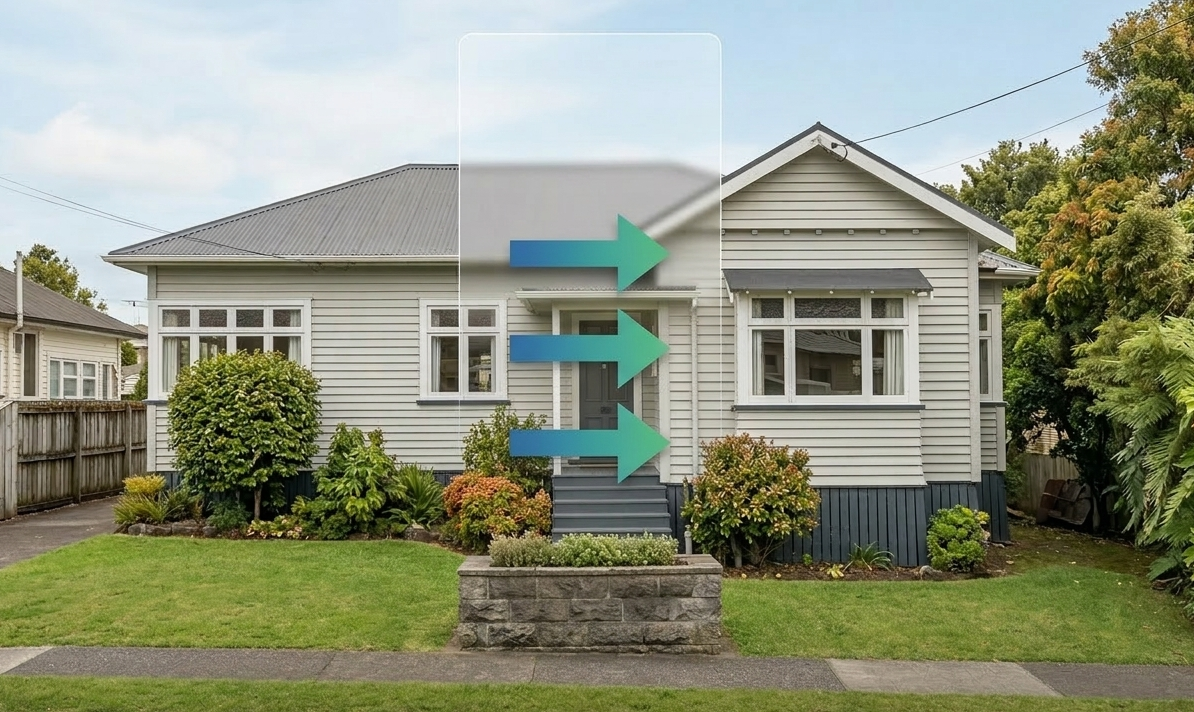
This balance is important. Instead of sharp price swings, we are seeing a more sustainable market where buyers have time to make informed decisions and sellers can still achieve strong results when properties are presented and priced well.
Confidence Gradually Returning
Lower mortgage rates compared to previous peaks and improving lending conditions are helping many buyers re-enter the market. As confidence slowly rebuilds, analysts expect modest price growth over the coming years rather than dramatic changes.
For many people, this environment actually creates opportunity:
- Buyers have more choice and time to evaluate properties.
- Sellers benefit from motivated buyers who are actively searching.
- Investors can look at long-term value rather than short-term fluctuations.
Why Stability Can Be a Good Thing
Property markets thrive on confidence and predictability. When prices move gradually rather than dramatically, it allows families, investors, and developers to plan with greater certainty.
New Zealand’s property market has always shown resilience over the long term, and the current phase appears to be one of steady consolidation rather than decline.
Looking Ahead
Most forecasts suggest modest growth in the coming years, supported by improving economic conditions, population growth, and continued demand for quality housing.
For buyers and sellers alike, the key message is simple:
The market is active, balanced, and continuing to move forward.
Those who stay informed, price realistically, and focus on long-term value are likely to find that opportunities remain very much present in today’s property market.
Would you like a complimentary, no-obligation appraisal of your property’s value in today’s market? Let’s chat today.
13 March 2026
Is Your Property “First-Home Buyer Ready“?
Tapping into the North Shore’s Most Active Market
If you’ve been watching the Auckland property headlines lately, you’ve likely seen a lot of talk about record-high inventory and a “steady” market. But look closer at the North Shore, specifically in suburbs like Glenfield, Beach Haven, Birkdale, and Bayview, and you’ll find a much more exciting story unfolding.
Currently, entry-level properties and family starters are the true “engine room” of the market. With interest rates having stabilized and more certainty in the air, a new wave of buyers is looking to secure their future on the Shore.
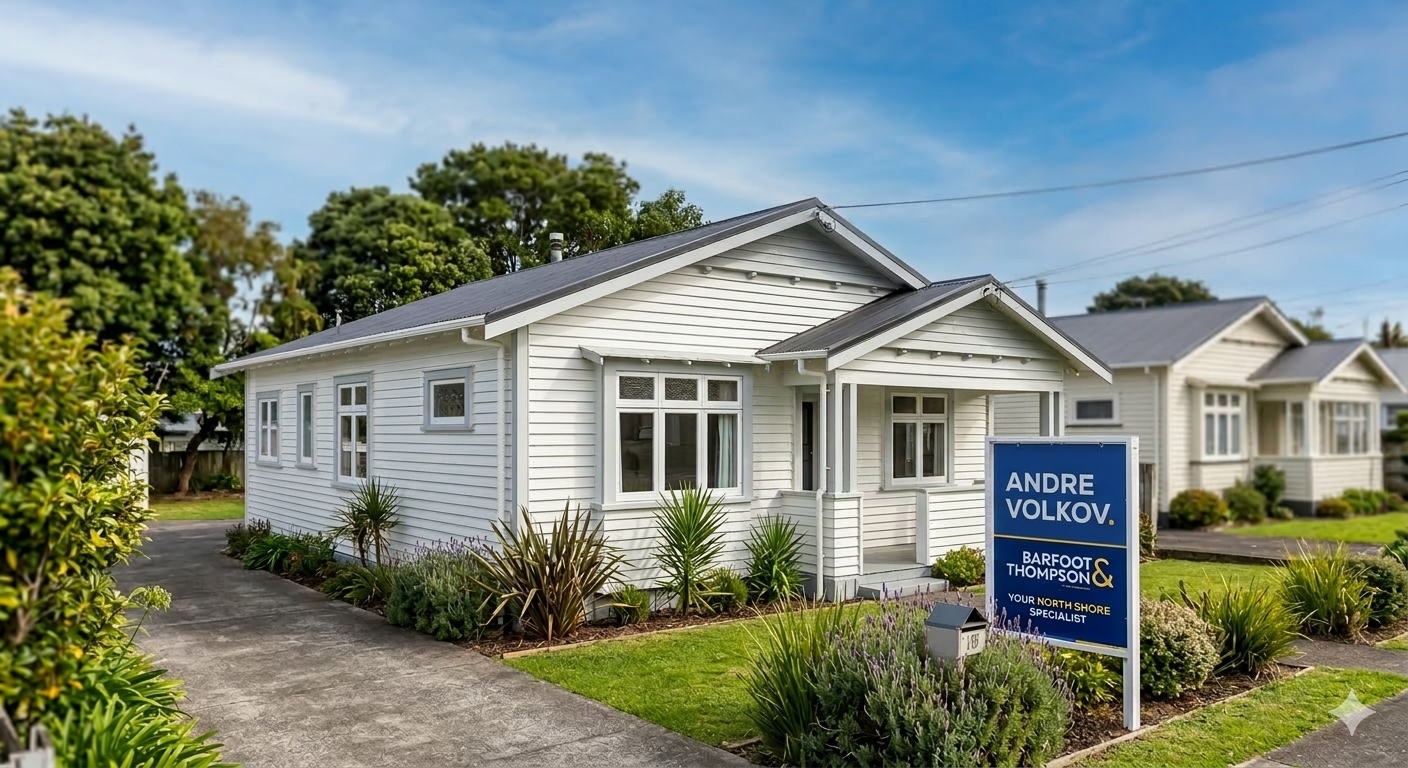
For sellers, this means that while the overall market may be “quiet,” the demand for the right type of property is louder than ever.
What are Today’s Buyers Looking For?
In a market with plenty of choice, today’s buyers are incredibly savvy. They aren’t just looking for “four walls and a roof”, they are looking for a home that offers a head start. If you own a unit, a townhouse, or a classic weatherboard home, here is what is currently winning their attention:
- Move-in Ready Appeal: With renovation costs remaining high, buyers gravitate toward homes where they can simply turn the key. Fresh paint, modern flooring, and tidy landscaping make a world of difference.
- Health and Efficiency: Double glazing, heat pumps, and high-quality insulation are no longer “extras”, they are top-of-list requirements for buyers focused on comfort and long-term costs.
- The Lifestyle Connection: Proximity to the Beach Haven ferry, the Glenfield bus hubs, and local parks remains a massive drawcard for those balancing work and Shore life.
Thinking of Making a Move?
The current market is all about finding the right match between a motivated buyer and a well-presented home. Your property might be exactly what someone has been waiting for.
Would you like a complimentary, no-obligation appraisal of your property’s value in today’s market? Let’s chat today.
6 March 2026
How Tenders Work in Real Estate:
A guide for North Shore Sellers
If you’re thinking of selling your home on the North Shore Auckland, you might have heard the term “tender” used by agents like Barfoot & Thompson. But what exactly is a tender, and how does it work? Understanding the process can help you make informed decisions and feel confident throughout your sale.
What Is a Tender?
A tender is a method of sale where buyers submit written offers by a set deadline, usually with no public negotiation. Unlike an auction, the offers aren’t immediately disclosed to other buyers, and there’s no bidding in front of an audience. The goal is to allow buyers to consider their best offer carefully, while giving the seller control and flexibility over the outcome.
How the Tender Process Works
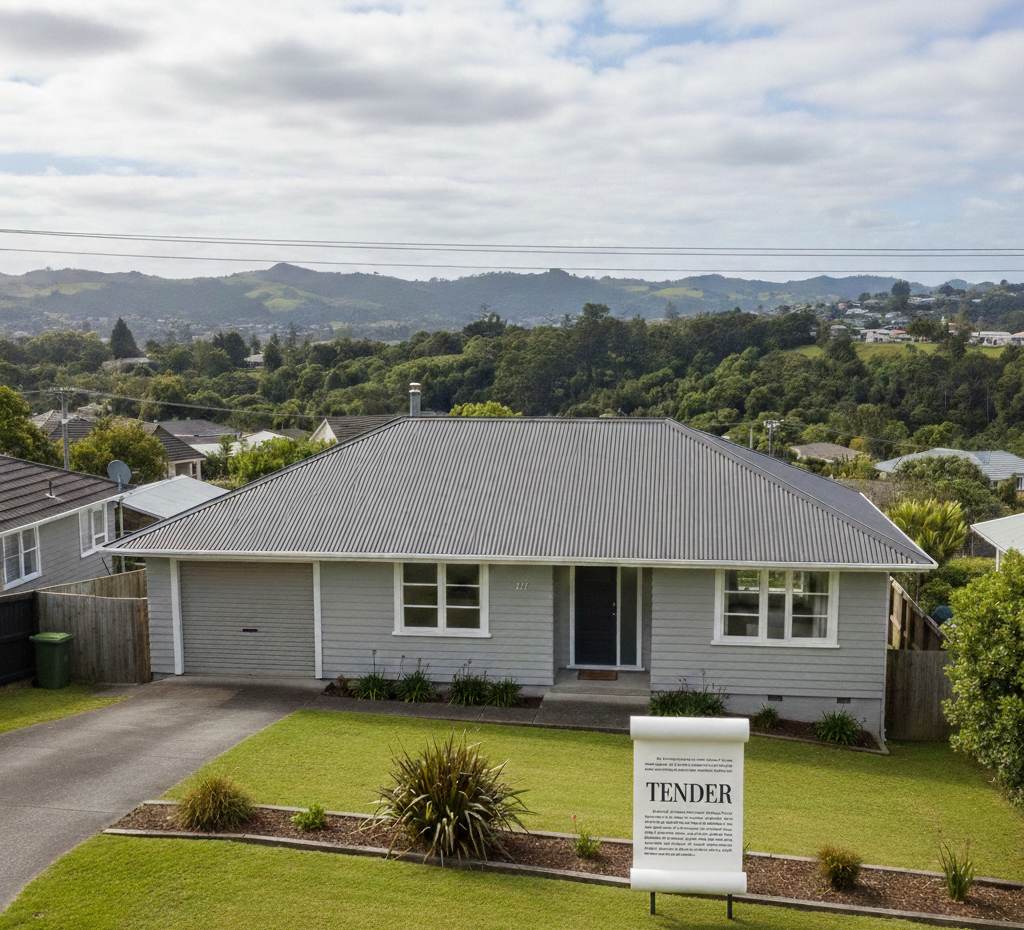
- Setting a Closing Date
The agent will set a fixed deadline for all offers. This gives buyers time to inspect the property, consider their finances, and put forward their strongest offer. - Marketing Your Property
Even though the sale isn’t an open negotiation, your property is actively marketed, online listings, open homes, and professional photography all help attract buyers. - Submitting Offers
Interested buyers submit a formal written offer, usually on a Barfoot & Thompson tender form. Offers are confidential and are only opened by the agent after the closing date. - Reviewing Offers
Once the deadline passes, the seller reviews all submitted offers with their agent. The highest offer isn’t always automatically accepted; factors like conditions, settlement dates, and buyer credibility are also considered. - Negotiation (Optional)
Sometimes the agent may go back to one or more buyers to clarify or negotiate, but this is done discreetly, not publicly.
Why Choose a Tender?
Tender sales can be particularly effective in the North Shore market for several reasons:
- Serious buyers only: The requirement to submit a formal offer ensures buyers are committed.
- Fair and transparent: Every buyer gets the same opportunity to submit an offer by the same deadline.
- Potential for strong results: In some cases, multiple buyers competing discreetly can drive higher offers.
Tips for Sellers Considering a Tender
- Work with an experienced agent: A knowledgeable agent can advise on realistic expectations, marketing strategy, and the right closing date.
- Prepare your home: Presentation matters, tidy, staged homes often attract stronger offers.
- Understand your terms: Decide in advance what conditions you’re comfortable with, such as settlement timelines or subject-to-finance clauses.
Tenders are a powerful tool in New Zealand real estate, giving sellers control, flexibility, and potentially strong results. For North Shore homeowners, it’s a method that can deliver serious, committed buyers and a fair process.
If you’re thinking of selling your home and want to learn more about how a tender could work for you, feel free to contact me for a no-obligation conversation.
25 February 2026
Autumn Staging Tips for North Shore Homes:
From BBQs to Blankets
As summer winds down on the North Shore Auckland, buyer expectations start to shift. Long evenings, beach days, and BBQ-ready decks give way to cooler mornings, shorter days, and a desire for warmth and comfort.
If you’re selling in autumn, the goal is simple: help buyers imagine living comfortably in your home year-round, not just on holiday.
Here’s how to prepare, stage, and style your property to appeal to autumn buyers.
- Shift the Vibe: Less “Holiday House,” More “Forever Home”
Summer styling often leans coastal and casual, think surfboards, outdoor dining setups, and beachy décor. While that works in January, autumn buyers are subconsciously asking a different question:

“Will this home feel warm, cosy, and practical in winter?”
What to do:
- Pack away overtly summery décor (beach towels, novelty outdoor cushions)
- Replace bright outdoor themes with neutral, timeless styling
- Bring the focus back indoors, living spaces, bedrooms, and warmth
Buyers want to picture movie nights, slow mornings, and comfortable evenings, not just summer entertaining.
- From BBQs to Blankets: Style for Comfort
Autumn is the season of texture. Done well, it creates an emotional connection that makes buyers linger longer.
Easy autumn styling wins:
- Add soft throws and cushions in warm, neutral tones
- Layer rugs in living areas to visually “warm up” the space
- Style beds with plush duvets rather than lightweight summer linens
- Use natural textures like wool, timber, and linen
These details subtly communicate: this home feels good to live in.
- Lighting Matters More Than You Think
As daylight hours shorten, lighting becomes a deal-maker or breaker.
Autumn lighting checklist:
- Turn on all lamps during open homes (never rely on natural light alone)
- Use warm bulbs rather than harsh white lighting
- Add floor or table lamps to dark corners
- Ensure outdoor and entryway lighting works properly
A well-lit home feels safer, warmer, and more welcoming, especially during late-afternoon viewings.
- What to Fix Before Autumn Open Homes Begin
Autumn buyers are often more detail-focused than summer browsers. Cooler weather makes flaws more noticeable.
Prioritise these fixes before listing:
- Address damp spots, mould, or musty smells
- Fix leaky gutters or visible drainage issues
- Ensure heating systems are clean and functional
- Seal drafts around doors and windows
- Touch up scuffed walls and worn flooring
Buyers in autumn are thinking ahead to winter, anything that hints at cold, damp, or discomfort can raise red flags.
- Make Warmth a Feature, Not a Question Mark
You don’t need a full renovation to showcase warmth, you just need clarity.
Highlight warmth by:
- Turning on heat pumps or fireplaces during open homes
- Leaving internal doors open to show airflow and heat circulation
- Pointing out insulation, double glazing, or recent upgrades
- Keeping the home comfortably warm (not cold, not overheated)
When buyers feel the warmth, they stop worrying about it.
Final Thought: Autumn Buyers Are Serious Buyers
Autumn is often one of the most underrated times to sell. Competition can be lower, and buyers who remain active are usually more motivated and decisive.
By shifting your home from a summer showcase to an autumn retreat, you’re not just staging, you’re answering buyers’ unspoken concerns before they even ask.
If you have any questions or are thinking about selling your property, feel free to contact me for a no-obligation conversation.
20 February 2026
Selling Your Home on Auckland’s North shore:
What to Expect
Selling your home is a big decision, and it’s normal to feel unsure about where to begin. Many homeowners on the North Shore simply want to understand how the selling process works before committing to anything. This blog explains what the journey usually looks like, in clear and simple terms, so you know what to expect.
It all starts with a conversation. This is where your plans, timing, and reasons for selling are discussed.
Every situation is different, so this step is about listening and understanding what matters most to you. The local North Shore market also plays a role, and having clarity early on helps shape the right approach without any pressure.

The next step is an appraisal. This isn’t just about putting a price on your home. It’s about understanding how your property fits into the current market, what buyers are looking for, and how similar homes are performing. This gives you a realistic picture so you can make confident decisions based on facts, not guesswork.
Once you decide to move forward, the focus shifts to preparing your home for sale. This usually involves simple advice around presentation and small improvements that can help your home look its best. The aim is to highlight its strengths and help buyers imagine themselves living there, without unnecessary expense or stress.
You’ll then choose the most suitable way to sell your property. This is usually through an auction or a tender, depending on your home, your goals, and the market at the time. We’ll go through these options together with clear explanations so you feel confident moving forward.
Marketing is where your home is introduced to buyers. Professional photos, online exposure, open homes, and direct buyer contact all work together to create interest and momentum. The focus isn’t just on listing your property, but on attracting the right buyers and encouraging competition.
As buyers show interest, clear communication becomes important. You’ll receive regular updates, honest feedback, and straightforward explanations of any offers. Negotiations are handled carefully, so you always know where you stand and can make informed choices.
Once an agreement is reached, the final steps involve managing conditions, timelines, and settlement. Support continues right through to settlement day to ensure everything runs smoothly and nothing is overlooked.
Selling your home should feel organised, informed, and supported, not overwhelming. If you’re considering selling on the North Shore of Auckland, having the right guidance can make all the difference. I work closely with local homeowners to provide clear advice, thoughtful strategy, and a calm, professional approach to selling.
Feel free to contact me for a no obligation conversation.
13 February 2026
If Houses Could Talk:
What Your Home Would Say About You
Have you ever wondered what your home would say if it could talk? Here on Auckland’s North Shore, every home has its own personality, just like the people who live in it. Let’s take a playful stroll through your home and see what it might be saying about you…
The Kitchen: The Social Butterfly
Your kitchen isn’t just a place to cook, it’s a stage for culinary creativity. It loves dinner parties, family breakfasts, and casual catch-ups over coffee. If your kitchen could talk, it would brag about the countless laughs, secret recipes, and late-night snack raids it has hosted.
The Living Room: The Social Media Influencer
With all the natural light streaming in (thanks, North Shore sun!), your living room knows it’s a star. It loves when friends drop by and would happily pose for a few Instagram-worthy photos of your perfectly styled couch and coffee table.

The Bedroom: The Sanctuary
This is your home’s calmest voice, the space that whispers rather than shouts. Your bedroom exists to help you slow down, switch off, and truly rest. It loves soft lighting, cosy textures, and quiet moments at the beginning and end of each day. If it could talk, it would gently remind you that rest isn’t a luxury, it’s essential.
The Bathroom: The Spa Enthusiast
This room knows you deserve a bit of luxury. From long soaks after a day exploring Takapuna Beach to early morning power showers, your bathroom loves making every day feel like a mini-retreat.
The Garden: The Adventure Seeker
Whether it’s hosting a barbecue, a weekend garden party, or just enjoying the North Shore breeze, your garden thrives on activity. It might drop a hint or two that it prefers a lawn to be mown and flowers to be loved, but really, it just wants to be part of your life’s happiest moments.
Your Home, Your Story
Every nook and cranny tells a story, of laughter, late nights, early mornings, and memories made. And just like the homes on the North Shore, each one has a personality shaped by its owners.
So, the next time you walk through your front door, pause for a moment and imagine… what would your home say about you?
Feel free to contact me for a no obligation conversation.
5 February 2026
BUYERS ARE BACK ON THE SHORE
But They’re Being Selective (And That’s Good for Sellers)
If you’ve been watching the property market closely, you’ve probably heard phrases like “buyers are cautious” or “people are taking their time.”
While that might sound concerning at first, what we’re seeing on the ground across the North Shore tells a much more encouraging story for sellers.
Buyers are back, and they’re serious.
What “Selective Buyers” Really Means
Today’s buyers aren’t rushing into decisions the way they did during the boom years. Instead, they’re informed, prepared, and clear about what they want. And that’s not a bad thing.
In fact, it creates a healthier, more predictable selling environment.
Here’s what we’re seeing locally:
- Fewer time-wasters at open homes
- More qualified buyers with finance in place
- Buyers who have done their homework and are ready to act when the right property comes along

Most property headlines are based on national or city wide data. They average together apartments, lifestyle blocks, entry level homes and premium properties, across very different regions.
The North Shore does not move as one single market. Glenfield behaves differently to Milford. Beach Haven is not the same as Northcote Point. Even within the same suburb, a sunny single level home can perform very differently from a multi level property on a busy road.
That is why a headline about Auckland prices does not automatically apply to your home.
Local buyer demand, school zones, street appeal, sun, layout and presentation all have a far bigger impact on price than a national statistic.
One sale does not define the market
It is very common to hear someone say, “That house sold for a lot less, the market must be dropping,” or “That one sold well, prices must be going up.”
Single sales can be misleading.
A strong result may come down to exceptional presentation, realistic pricing, or multiple motivated buyers. A weaker result may reflect poor marketing, overpricing, limited access, or a vendor who needed a quick sale.
The real story sits in patterns, not outliers.
When several comparable homes are selling within a similar range, with consistent buyer interest and reasonable days on market, that tells you far more than one standout sale.
What actually matters on the North Shore right now
To understand the market properly, it helps to focus on a few key local indicators.
Buyer behaviour is one of the most important. Are buyers attending open homes in good numbers, are they asking informed questions, are they making conditional or unconditional offers. This gives a clear signal of confidence.
Days on market is another. Homes that are priced and presented well are still attracting solid interest and selling within a reasonable timeframe. Properties that sit longer often do so because of pricing expectations, not because buyers have disappeared.
Price alignment matters more than ever. Buyers are cautious but active. When a home is positioned correctly for its location and condition, it tends to perform. When expectations are based on peak market memories or headline driven assumptions, buyers hesitate.
Presentation and warmth continue to be strong drivers. Homes that feel comfortable, well maintained and easy to live in consistently attract more competition than homes that feel cold, cluttered or unfinished.
Why local advice cuts through the noise
The biggest risk in today’s market is making decisions based on incomplete or generic information.
A conversation grounded in recent local sales, buyer feedback from open homes, and real time enquiry is far more valuable than any headline. It allows you to understand not just what the market is doing, but how buyers are thinking right now.
The North Shore market is not stalled, it is selective. Buyers are active, but they are careful. Sellers who understand this and position their homes accordingly are still achieving strong results.
If you are considering selling, buying, or simply want clarity without pressure, local context makes all the difference. If you’d like to talk through what this means for your home or your plans on the North Shore, feel free to contact me for a no obligation conversation.
30 January 2026
How to Read the North Shore Market Without Getting Confused by the Headlines
If you follow property news closely, it can feel like the market is constantly swinging between extremes. One week the headlines say prices are falling, the next week they say confidence is returning. For many homeowners and buyers on the North Shore, this creates confusion and hesitation.
The truth is, national property headlines rarely reflect what is actually happening street by street, suburb by suburb. Understanding the local picture is what really matters when you are making a property decision.
Here is how to read the North Shore market without getting lost in the noise.
National headlines are broad, local markets are specific

Most property headlines are based on national or city wide data. They average together apartments, lifestyle blocks, entry level homes and premium properties, across very different regions.
The North Shore does not move as one single market. Glenfield behaves differently to Milford. Beach Haven is not the same as Northcote Point. Even within the same suburb, a sunny single level home can perform very differently from a multi level property on a busy road.
That is why a headline about Auckland prices does not automatically apply to your home.
Local buyer demand, school zones, street appeal, sun, layout and presentation all have a far bigger impact on price than a national statistic.
One sale does not define the market
It is very common to hear someone say, “That house sold for a lot less, the market must be dropping,” or “That one sold well, prices must be going up.”
Single sales can be misleading.
A strong result may come down to exceptional presentation, realistic pricing, or multiple motivated buyers. A weaker result may reflect poor marketing, overpricing, limited access, or a vendor who needed a quick sale.
The real story sits in patterns, not outliers.
When several comparable homes are selling within a similar range, with consistent buyer interest and reasonable days on market, that tells you far more than one standout sale.
What actually matters on the North Shore right now
To understand the market properly, it helps to focus on a few key local indicators.
Buyer behaviour is one of the most important. Are buyers attending open homes in good numbers, are they asking informed questions, are they making conditional or unconditional offers. This gives a clear signal of confidence.
Days on market is another. Homes that are priced and presented well are still attracting solid interest and selling within a reasonable timeframe. Properties that sit longer often do so because of pricing expectations, not because buyers have disappeared.
Price alignment matters more than ever. Buyers are cautious but active. When a home is positioned correctly for its location and condition, it tends to perform. When expectations are based on peak market memories or headline driven assumptions, buyers hesitate.
Presentation and warmth continue to be strong drivers. Homes that feel comfortable, well maintained and easy to live in consistently attract more competition than homes that feel cold, cluttered or unfinished.
Why local advice cuts through the noise
The biggest risk in today’s market is making decisions based on incomplete or generic information.
A conversation grounded in recent local sales, buyer feedback from open homes, and real time enquiry is far more valuable than any headline. It allows you to understand not just what the market is doing, but how buyers are thinking right now.
The North Shore market is not stalled, it is selective. Buyers are active, but they are careful. Sellers who understand this and position their homes accordingly are still achieving strong results.
If you are considering selling, buying, or simply want clarity without pressure, local context makes all the difference. If you’d like to talk through what this means for your home or your plans on the North Shore, feel free to contact me for a no obligation conversation.
23 January 2026
Buyer Mindset in Early 2026, What We’re Seeing on the North Shore
Early in the year is often when patterns start to re emerge in the North Shore property market. Buyer activity does not arrive all at once, but it does become clearer, particularly in how different groups are thinking and making decisions.
Right now, we are seeing steady interest from a familiar mix of buyers. First home buyers remain active, especially those who have spent much of last year attending open homes and watching prices closely. Many of them come into 2026 with a better understanding of value and a clearer sense of what they are prepared to compromise on. When a well priced, well presented home comes up, hesitation is far less common than it was previously.

Upsizers are also quietly returning. These buyers are often families who already own on the North Shore and are looking to move for space, schooling, or lifestyle reasons. They tend to be measured in their approach, watching the market carefully before making a move. For them, confidence comes from knowing they can sell well once they have secured the right next home.
We are also seeing investors re enter the conversation. They are selective and numbers driven, but noticeably more engaged than this time last year. Good locations, sensible pricing, and properties that require minimal work tend to attract their attention first.
Compared to early last year, buyer behaviour feels more balanced. In 2025, many decisions were slowed by uncertainty. Buyers were cautious, often hesitant to act even when they liked a property. In early 2026, that caution has shifted into preparation. Buyers are still price sensitive, but they are more decisive when something feels right.
Price remains important, but it is not the only factor guiding decisions. Emotional connection still plays a role, particularly for families and owner occupiers. Homes that feel easy to move into, comfortable, and well cared for tend to stand out quickly. Buyers are responding strongly to properties that present clearly and honestly, rather than those that feel overworked or uncertain.
Well presented homes are also performing differently. Clear marketing, realistic pricing, and thoughtful preparation are helping buyers understand value more quickly. These homes tend to receive stronger engagement early, even in a market where buyers are taking their time.
For sellers, this early year buyer mindset is reassuring. Buyers are active, informed, and ready to engage when the right opportunity comes along. Understanding how buyers are thinking right now can make a significant difference to how confidently a home is brought to market and how smoothly the process unfolds.
16 January 2026
What the new year means for north shore property owners
As we move into a new year, we would like to wish everyone a happy and positive start to 2026.
The beginning of the year often brings a natural moment to pause, reflect, and think about what the months ahead might hold, including when it comes to property decisions.
The start of a new year often brings a quiet sense of reset for the North Shore property market. After the Christmas and New Year break, routines return, families settle back into school schedules, and conversations about property tend to restart gently rather than all at once.
Traditionally, January is not about rushing decisions. It is about people re engaging with the idea of moving, selling, or buying, often after months of thinking about it in the background.

By late January and into February, we usually see buyer activity return steadily across suburbs such as Glenfield, Birkdale, Hillcrest, Totara Vale, Bayview and Beach Haven. New listings also begin to appear, particularly from homeowners who used the quieter summer period to plan their next step.
This year feels a little different from the last. In 2025, many buyers and sellers were cautious, taking time to watch the market and wait for clarity. As we move into 2026, there is a noticeable shift in mindset. Buyers are still careful, but they are more prepared. They have spent time researching, attending open homes, and understanding value. When the right property comes up, decisions tend to be more confident and more deliberate.
We are also seeing familiar buyer groups return after the holidays. First home buyers are active again, often with clearer budgets and expectations. Families are looking ahead to school zoning and longer term stability, particularly in well established North Shore neighbourhoods. Upsizers are quietly re entering the market, often waiting for the right home before committing to selling.
For homeowners, this early part of the year is less about timing the market perfectly and more about gaining clarity. Understanding what your home might be worth today, how buyers are responding, and what options you realistically have gives you control, even if you decide not to move straight away. The most successful moves often start with good information rather than urgency.
The New Year does not demand immediate action, but it does offer a valuable window to pause, assess, and plan. For North Shore property owners, having a clear picture early in the year often makes the months that follow far less stressful, regardless of whether selling is around the corner or still some way off.
December 2025
Wishing you a joyful festive season and a wonderful end to the year, as well as a bright and positive start to the year ahead.
As we reflect on the year gone by, we’re truly grateful for the trust our clients have placed in us, the homes we’ve helped sell, and the new beginnings we’ve been part of. Whether it’s finding a first home, helping families move on to their next chapter, or simply sharing advice about the property market, it’s been a privilege to be part of your journey.
While many take time to slow down over the holidays, Andre will remain available throughout the festive period for any calls, questions, or property advice. If you need guidance or would simply like a chat about the market, feel free to reach out.
From the Andre Volkov Team, family, and everyone at Barfoot & Thompson, we wish you a safe and relaxing festive season, and a New Year full of happiness, good health, and exciting opportunities.

12 December 2025
The Surprising Buyer Behaviour at Year-End, And Why Emotion Peaks Now
As we head into the final stretch of the year, something interesting always happens in the property market. Buyer behaviour shifts, decisions speed up, and emotions start to play a much bigger role than logic alone. After more than a decade in real estate, I see the same pattern every December, and it still surprises many homeowners.
Here are the three emotional drivers that peak at year-end and why they matter if you’re thinking about selling.
- The Fresh Start Effect
- School Zones Drive Faster Decisions
- Interest Rate Reviews Add Pressure

1. The “Fresh Start” Effect
There’s something powerful about the idea of beginning the new home. Many buyers feel an urge to reset their lifestyle, upgrade their space, or simply move on from a chapter that no longer fits. This motivation can turn a casual browser into a committed buyer very quickly.
People aren’t just buying a property, they’re buying a feeling, a new beginning.
2. School Zones Drive Faster Decisions
Families with school-aged children often make property decisions with urgency at this time of year. They want to secure a new address before term one begins, and that deadline creates strong emotional momentum.
If your home is in a desirable school zone, December and January can be some of the most active months for motivated buyers.
3. Interest Rate Reviews Add Pressure
For some, the looming interest rate review provides another push. Buyers coming off fixed rates may feel more urgency to upgrade, downsize, or move into something that suits their new financial situation. The uncertainty around “what’s next” often accelerates decisions, not delays them.
What This Means for Sellers
When emotions rise, serious buyers become more decisive. They book viewings faster, return for second looks sooner, and act more confidently when they find a home that feels right.
This combination of deadlines, fresh-start energy, and financial pressure often creates a window of strong activity at a time many people assume the market slows.
If you’d like to talk about how this applies to your home, I’m always happy to chat.
5 December 2025
Why Some Homes Sell Above Expectations – The 3 Hidden Factors
Every seller hopes for a great result, but not every property ends up exceeding expectations. After years in real estate, I’ve noticed something interesting, the homes that achieve top outcomes often have something in common. And it’s not always the obvious things like size, location or renovation level.
In most cases, three hidden factors quietly shape the final price:
momentum, pricing strategy, and the quality of negotiation.
Let’s break them down.
1. The Momentum Created by Open Homes
Momentum is one of the most underrated forces in a successful campaign.

When a home hits the market and attracts strong attendance at the first couple of open homes, it creates a sense of urgency and energy. Buyers see other buyers. They feel the competition. They realise they’re not the only ones who love the home, and that changes how they behave.
But momentum doesn’t happen by accident. It’s usually the result of:
- good presentation,
- clear marketing,
- consistent follow-up, and
- creating a welcoming environment where people feel comfortable to explore.
When this energy builds early, the market tends to “lift” the price on its own. It’s almost like a snowball effect: interest attracts more interest, and suddenly you have a result that climbs past expectations.
2. The Right Pricing Strategy (It’s More Powerful Than People Think)
Pricing is not just about choosing a number. It’s about understanding psychology.
A well-chosen strategy can widen the pool of buyers, create more competition and shift the entire feel of a campaign. Sometimes a price guide is appropriate. Sometimes a no-price approach creates more curiosity. Sometimes transparency is the best path. Other times, structure and silence work better.
But the purpose is always the same:
- to bring as many qualified buyers as possible to your door.
- If the pricing strategy is too high, the campaign loses energy.
- Too low, and the wrong expectations are set.
- Just right, and the market comes alive.
When sellers see a strong final result, it’s very often because the pricing strategy was designed carefully, not casually.
3. Negotiation – The Difference-Maker Behind the Scenes
Most people see the open homes and the photos. What they don’t see is the negotiation, and this is where the real difference between an average and exceptional result is made.
Negotiation happens in dozens of small ways:
- how quickly feedback is delivered to buyers
- what is said (and not said) during follow-up calls
- reading buyer behaviour
- guiding people through hesitation
- understanding when to push and when to pause
- creating the right environment for offers
- holding buyers to their confidence
- presenting competing interest effectively
- It’s subtle work, but incredibly powerful.
- A calm, steady, and strategic approach to negotiation can add thousands, sometimes tens of thousands, to a final sale price. This is often the hidden factor vendors don’t see, but always feel in the result.
Homes that sell above expectations don’t get there by luck. It’s usually a mix of:
- strong early momentum
- a smart pricing strategy
- and skilled negotiation from start to finish
When these three elements align, the market responds, and sellers are often pleasantly surprised by the outcome.
28 November 2025
Buying with Confidence, How to Stay Calm in a Competitive Market
In a fast-moving market it’s easy for buyers to feel overwhelmed. Homes sell quickly, multiple offers are common and everyone seems to be rushing. But even in a competitive climate you can stay calm and make confident decisions. The key is preparation, clarity and a steady mindset.
Here is how to approach your property search with confidence, no matter what the market is doing.
Get Clear on What You Want
When buyers feel stressed, it is often because they are not fully clear on what matters most. Before viewing anything, write down your must-haves, your nice-to-haves and your deal-breakers.
This removes emotion from the process and stops you from being pulled in different directions by every new listing that pops up.

Know Your Numbers
Nothing brings peace of mind like a clear budget. Talk to your bank or broker early and make sure you understand your limits. When you know exactly what you can afford, you can walk into every open home with confidence instead of fear of the unknown.
Do Your Research
Spend time looking at recent local sales so you know what homes are actually selling for, not just what they are advertised at. When you understand your area’s price patterns, you will feel far more grounded when it comes time to make an offer.
Stay Present at Open Homes
Competitive markets can make you feel like you need to rush through decisions. Slow down when you arrive at a viewing. Take a few deep breaths, walk through the property at your own pace and focus on how the home feels to you. Being present helps you think clearly and spot things others might miss.
Focus on What You Can Control
You cannot control how many buyers turn up or how much someone else is willing to pay. What you can control is your preparation, your research and the way you respond. Staying calm becomes much easier when you stop trying to manage things that were never yours to manage.
Have a Plan for Making Offers
Whether it’s a tender, deadline sale or price-by-negotiation, understand the process before you get to that stage. Know what documents you need, what conditions protect you and how quickly you can move. Preparation removes uncertainty and makes the offer stage far less stressful.
Keep Perspective
Missing out on a home can feel discouraging, but it does not mean you will not find the right one. Many buyers secure a property only after viewing several homes and making a few offers. Each step teaches you something and brings you closer to the one that fits.
Lean on the Right Support
Whether it is your agent, broker, solicitor or a trusted friend, having steady support around you makes a big difference. A calm voice in your corner can help you stay grounded when emotions run high.
Buying a home should feel exciting, not overwhelming. With the right approach you can move through the process with confidence, even in a busy market.
If you ever want help understanding the current market or planning your next steps, I am here to help.
21 November 2025
5 Small Upgrades That Can Add Big Value Before You Sell
When it comes to selling your home in Auckland, you don’t always need a major renovation to make a big impact. Sometimes, small, well-thought-out upgrades can boost your property’s appeal, attract more buyers, and even increase your sale price. Here are five simple changes that can deliver big value.
1. Freshen Up Your Paint
A fresh coat of paint is one of the most cost-effective ways to make your home feel brand new. Stick to neutral colours to appeal to the widest range of buyers and make your rooms look brighter and more spacious.
2. Upgrade Your Front Door and Entryway
First impressions count. A new front door, modern handle, or even a freshly cleaned and tidy entryway can instantly lift your home’s curb appeal. Small touches like a new welcome mat or potted plants can make a surprisingly big difference.
3. Modernise Kitchen and Bathroom Fixtures
You don’t need a full renovation, updating taps, cabinet handles, and light fittings can refresh the look of kitchens and bathrooms. These are areas buyers pay close attention to, so small upgrades can leave a lasting impression.
4. Improve Lighting
Well-lit spaces feel bigger and more inviting. Swap out outdated light fixtures, add brighter bulbs, or introduce strategically placed lamps to highlight your home’s best features. Natural light is a huge selling point, so make sure windows are clean and curtains open.
5. Enhance Outdoor Spaces
A tidy, welcoming garden or deck can extend your living space and appeal to buyers who love outdoor entertaining. Simple upgrades like trimming hedges, adding fresh mulch, or a coat of paint to fences and decks can make your outdoor area pop.
Selling your Auckland home doesn’t have to involve a costly makeover. With these five small upgrades, you can create a polished, appealing home that attracts buyers and maximises your sale price. If you’re thinking of selling, consider these tweaks, they could make all the difference.
14 November 2025
HOW EMOTION SELLS HOMES
The psychology behind great property marketing
When it comes to selling real estate in Auckland, most people think success comes down to numbers, price per square metre, recent sales, or CV values. But the truth is, buyers rarely make decisions based on logic alone. They buy because something feels right.
That emotional connection is what truly sells homes.
The Power of First Impressions
When a buyer walks through the door, they usually know within seconds if they can see themselves living there. The scent of fresh coffee, the afternoon light across the living room, or the sound of birds in the trees, these small details trigger powerful emotions that logic can’t compete with.
In Auckland’s fast-paced property market, where buyers often view multiple homes in a weekend, that first emotional response can make all the difference. It’s not just about what the home has, but how it makes someone feel.

Storytelling Through Presentation
Great property marketing tells a story. Professional photos, warm lighting, and thoughtful staging all work together to help buyers imagine their life there, Sunday breakfasts on the deck, kids playing in the garden, or quiet evenings by the fire.
The goal is to create a lifestyle, not just show a house. When that story resonates, buyers stop comparing features and start picturing their future.
Why Emotion Drives Action
Even the most practical buyers are influenced by emotion. Research shows that people justify decisions with logic but make them with feeling. That’s why the right marketing words, photos, and atmosphere matter so much.
A property that feels like “home” inspires faster decisions and stronger offers. On the flip side, homes that feel cold or impersonal tend to stay on the market longer, even if they’re priced well.
Creating the Emotional Connection
In Auckland’s diverse real estate scene, every home has a story, whether it’s a Lockwood retreat in Glenfield, a family haven in Birkenhead, or a sleek apartment in Takapuna. The key is knowing how to bring that story to life.
- Photography: Capture warmth, light, and lifestyle moments rather than just rooms.
- Staging: Highlight comfort and flow, not clutter or formality.
- Advertising: Use emotion-driven language, words that invite, not just describe.
When done right, buyers don’t just see a property, they feel it.
The Result: Faster, Stronger Sales
Homes marketed with emotion tend to attract more interest, more viewings, and ultimately better results. They stand out online, draw larger crowds to open homes, and encourage serious buyers to act quickly.
In a city as competitive as Auckland, that emotional edge can be the deciding factor between a listing that lingers and one that sells.
7 November 2025
Auckland’s Property Market Is Stabilising – What It Means for Homeowners
If you’ve been keeping an eye on the Auckland property market, you may have noticed some changes over the past year. After a period of ups and downs, the good news is that the market is starting to stabilise.
Modest Price Changes
Median house prices across Auckland have dipped only slightly, around 3-4% in most suburbs. While this isn’t a dramatic drop, it’s enough to signal that the market is finding its balance. For homeowners, this is reassuring news. Your property’s value remains strong, and there’s no need to panic about a sudden decline.
Buyer Interest Remains Healthy
Even with small price adjustments, buyers are still active. Many are looking for well-presented homes in desirable locations, and there’s a clear appetite for properties that are priced realistically. This means sellers who take a strategic approach can still attract serious buyers and achieve a good sale.

What Stabilisation Means for You
A stabilising market is a sign that property values are becoming more predictable. For potential sellers, this means you can plan your sale with confidence, knowing that demand is still there. For buyers, it’s an opportunity to enter the market with more certainty about pricing trends.
Tips for Homeowners in a Stabilising Market
Focus on Presentation: Small improvements like fresh paint, decluttering, and tidy gardens can make your home stand out.
Price Strategically: Realistic pricing is key to attracting serious buyers quickly.
Work with Experts: Local agents who understand Auckland’s unique market trends can guide you through the process and help maximise your property’s value.
31 October 2025
Why Now Might Feel Like Your Moment to Sell in Auckland
As we step into the final months of 2025, many Auckland homeowners are asking the same question, should I sell now, or wait until next year?
The truth is, the Auckland property market is showing signs of stabilising. According to several recent reports, including Great Report and Bamboo Routes, median house prices across the region are down only modestly from a year ago, around three to four percent. After a few years of highs and lows, we’re now seeing a more balanced and predictable market beginning to take shape.
That balance is creating what could be the perfect window for sellers who have been waiting for the right moment. Buyers are still active, but they’re now more realistic about prices, and that means homes presented beautifully and priced correctly are standing out more than ever.
If you’ve been thinking about making a move, this could be your sweet spot. There’s still strong demand from motivated buyers who are eager to secure a home before summer, yet the level of competition among sellers remains relatively low.

Selling a home is never just a financial decision. It’s an emotional one. You’ve created memories in your home, celebrated milestones, and made it your own. But sometimes, it’s time to hand the torch to someone else and begin your next chapter.
Here are a few ways to prepare both your home and yourself for that journey:
1. Declutter with emotion in mind
When preparing your home for sale, think beyond tidying. Create a sense of calm and space that allows buyers to imagine their own future here. It can be emotional to pack away personal memories, but remember, you’re creating room for what comes next.
2. Refresh your presentation
A fresh coat of paint, light staging touches, and simple garden improvements can make a big impact. Today’s buyers are looking for homes that feel loved and well cared for, not necessarily perfect, but warm and inviting.
3. Tell the story of your home
Every home has a story, and buyers connect with that. Share what you’ve enjoyed most about living there, the morning light in the kitchen, the quiet evenings on the deck, or the friendly neighbours next door. Those small details can help buyers see themselves building their own memories there.
Selling your home isn’t about letting go, it’s about moving forward. If you’ve been waiting for the right time, this might be it. With a stabilising market, realistic buyer expectations, and the summer selling season approaching, now could be your perfect moment.
If you’re thinking about selling, I’d be happy to have a relaxed conversation about what your next move could look like.
Let your next chapter begin.
24 October 2025
10 Factors That Can Make Selling Your Home More Challenging in 2025
Selling a home isn’t just about putting up a “For Sale” sign, it’s about standing out in a competitive market. With buyers taking their time and listings reaching record highs in some areas, even small details can influence how quickly (and successfully) a property sells.
Here are ten factors that can make selling a home more challenging this year, and what you can do to stay ahead.
1. Homes That Need Work
The “do-up” buyer has become rare. Rising renovation and building costs mean most buyers now want a property that’s move-in ready, with updated kitchens, bathrooms, and décor. Incomplete or tired homes can struggle to attract attention, especially in higher-end suburbs like Remuera or Takapuna, where expectations are high.

2. Limited Parking
It might sound simple, but parking can make or break a sale. Many modern developments include only one car space, a major drawback for families or couples with two vehicles. Buyers often test driveways before they make an offer, so if parking is tight, consider solutions like turning space or visitor bays to make life easier.
3. Difficult Access
Steep driveways, narrow steps, or awkward entries can deter some buyers, even if the home offers incredible views. In hilly areas like Wellington or coastal suburbs, accessibility can play a big part in buyer decision-making.
4. Flood Zones and Natural Hazards
After recent severe weather events across New Zealand, flood risk is top of mind for many. Homes in low-lying areas or on erosion-prone land often raise red flags, and buyers will scrutinise LIM reports closely.
5. Outdated or Risky Cladding
Even decades later, the “leaky homes” era still affects buyer confidence. Properties with plaster or monolithic cladding, even if they’ve been well-built, may face tougher questions and slower sales.
6. Noise and Busy Locations
Homes close to major roads, rail lines, or nightlife districts can turn buyers away who value peace and quiet. While location is key, it’s also about lifestyle, and most people prefer a restful retreat at the end of the day.
7. Neighbourhood Presentation
A tidy, well-kept street adds real value. But if the neighbouring properties are run-down, overgrown, or noisy, that impression can rub off on your home too. It’s one of those factors outside your control, but worth considering when setting price expectations.
8. Shared Spaces
Homes that share driveways, walls, or land with others can be less appealing to buyers who want privacy. Standalone properties almost always attract more interest, and higher offers.
9. Large Developments Next Door
Buyers can be wary of new or high-density developments nearby. Concerns around privacy, traffic, or changing neighbourhood character often influence perceptions of value.
10. Falling Market Confidence
Even when a home ticks every box, falling local prices can make buyers hesitate. Market perception matters, so positioning, presentation, and pricing need to work together to create momentum.
The Bottom Line
Today’s buyers are more cautious and more selective. They want convenience, quality, and confidence in their purchase.
If you’re thinking about selling, small improvements, like updating tired areas, improving access, or creating better parking solutions, can make a big difference in how buyers respond.
17 October 2025
What to Expect when Selling your property
Selling your home is an exciting journey, one that involves a mix of preparation, presentation, and teamwork. My goal is to make the process as smooth and stress-free as possible while ensuring you achieve the best result. Here’s a step-by-step look at what to expect when you sell with me.
Step 1: Getting the paperwork shipshape
Before we can set sail, we’ll take care of the essentials. This includes signing the agency agreement and completing AML (Anti-Money Laundering) compliance by providing your ID and proof of address. It’s a legal requirement in New Zealand, and once it’s sorted, we can get the ball rolling.

Step 2: Mapping out the timeline
Think of our timeline as the roadmap that guides us to a successful sale. Together, we’ll plan everything, from scheduling professional photography to deciding when your property officially hits the market.
If your sale method is by Tender or Auction, we’ll also lock in key dates for the closing or auction day, along with the settlement date.
Step 3: Crafting your property’s story
Next, we’ll create the listing text and open home flyers. This is where your voice really matters. I’ll share the drafts for your feedback because no one knows your home like you do.
Together, we’ll highlight what makes your property shine, crafting words that paint your home in its best light and help it stand out to buyers.
Step 4: Rolling out the red carpet
Once your property goes live, it’s showtime. I personally conduct all open homes on Saturdays and Sundays, each running for around 30 minutes, the ideal duration for strong engagement without overcrowding.
Before each open home, I’ll set the stage: lights on, music playing softly in the background, and a welcoming atmosphere that helps buyers feel instantly at home. A branded mat at the entrance reminds guests to remove their shoes and keeps your home tidy and respected.
Step 5: Following up and gathering feedback
After each weekend, I’ll send you an update via text or email, sharing how many people attended your open homes. Then I personally follow up with every visitor, sending property documents, answering questions, and encouraging further interest or offers.
These conversations are invaluable. They reveal what buyers are thinking and help us make key decisions, such as setting a reserve price for auction or understanding likely offers at the Tender deadline.
Because follow-up takes time and persistence, I appreciate your patience as I reach out to each buyer. You’ll receive a detailed feedback report by Thursday or Friday of the following week.
Step 6: Creating a personal connection
One unique feature I recommend is a vendor letter, a short note from you to potential buyers.
Think of it as a love letter to your home, sharing what makes it and your neighbourhood special. You can write it emotionally or stick to the facts, but either way, it’s your chance to create a personal connection that buyers remember. I’ll provide examples to help you get started.
Step 7: The final stretch
Once your property is unconditionally sold, I’ll take care of deposit collection. A few days before settlement, we’ll arrange a final inspection with the purchaser to ensure everything is perfect before the keys change hands.
Step 8: Smooth sailing to the finish line
Selling your property is a journey, and I’m here as your co-pilot, steady, supportive, and committed to guiding you through every step. From the first conversation to the final handover, you can count on me to handle your open homes, buyer follow-ups, and communication with care and professionalism.
Together, we’ll make sure your sale not only achieves the best possible result, but also feels like a positive, well-managed experience from start to finish.
7 October 2025
AUCKLAND SPRING FEVER: SALES SOAR TO A FOUR-YEAR HIGH AS CONFIDENCE RETURNS!
The chill of winter is officially behind us, and the Auckland residential property market is celebrating the start of spring with its strongest September sales performance in four years! This is the news all committed buyers and thoughtful sellers have been waiting for: market momentum is officially back.
The Surge: Buyers Act Before Prices Shift
The message from September’s figures is clear: buyers are back, they are committed, and they believe now is the time to act before the current stable pricing window closes.
We proudly sold 1,032 homes last month, marking a powerful 13.8% increase over the average of the previous three months. To put that in perspective, this is the first time Auckland has topped 1,000 sales in September for four years, pushing us right back to the sales volumes seen just before the market peaked in late 2020.
Stability Turns to Strength in Pricing
While the media often focuses on monthly dips, September showed profound stability and a positive long-term outlook for Auckland prices.
The median sales price for the month was $930,000, and the average price was $1,089,686. Crucially, the average price was 0.8% higher than its equivalent in September last year. This stability suggests that the annual trend of declining prices may finally be ending, signaling a healthy market floor has been established.
Buyers have been conscious that prices have held steady since the start of the year, and this pattern of stability is likely to give way to growth as competition heats up through late spring.
First Home Buyers and Investors Lead the Charge
The backbone of this market resurgence is the activity at the entry level. Property in the under $750,000 price category continues to be a phenomenal performer, accounting for a massive 26.5% of all homes sold (273 properties).
These affordable homes are proving particularly appealing to both savvy first-time buyers keen to jump onto the ladder and investors looking to expand their portfolio while interest rates remain manageable.
Healthy Listings for a Busy Season
Sellers are also engaging with the spring market. New listings reached a healthy 1,781 in September, which contributed to an end-of-month stock level of 5,775. This means there is still excellent choice for buyers, but the accelerated sales pace is quickly soaking up inventory.
Outside of the main residential market, the rural and lifestyle sector also had a standout month, achieving $73 million in sales—its highest September sales figure in five years! (The above $3 million luxury residential market, however, had a quieter month with 12 sales.)
Your Next Move
September’s figures are a massive confidence boost for everyone in the Auckland property market. The window for stable prices and strong sales volume is here.
Sellers: Don’t delay. The pent-up demand is active, and buyers are committed.
Buyers: If you have finance pre-approval, act now. This level of market momentum suggests prices won’t stay static for long.
Contact me today for a chat about what these incredible numbers mean for your specific property goals.
3 October 2025
Auckland Market Update: Why Now Could Be the Right Time to Buy
September’s property data shows Auckland is in a “wait and see” phase. Many buyers are holding off until the Reserve Bank’s next OCR announcement, hoping that an interest rate cut will make borrowing easier. But while others pause, smart buyers have a unique window of opportunity.
A Market That Works in Your Favour
Unlike the hectic days of 2021 and 2022, today’s market gives buyers room to breathe. Stock levels are high, prices have eased slightly, and competition isn’t nearly as fierce.
That means you can:
- Take your time with multiple viewings
- Do proper due diligence without rushing
- Negotiate from a position of confidence

First-Home Buyers in the Best Position
First-home buyers already make up around a quarter of all active purchasers nationwide, showing just how motivated this group is. If you’re looking to get onto the ladder in Auckland, the current climate offers three key advantages:
- Stable prices – giving you a solid base for lending discussions
- Plenty of listings – more homes to choose from and less buyer-to-buyer competition
- Low pressure – no auction frenzy, no need to rush into decisions
Why Acting Now Matters
Waiting for the “perfect” moment often means missing out. The combination of choice, stability, and time to prepare is rare in Auckland’s market. By getting your finance sorted and doing your research now, you’ll be ready to move quickly if conditions shift after the OCR announcement.
Takeaway for Buyers
If you’re serious about buying, especially if it’s your first home, don’t sit on the sidelines. Today’s calmer market gives you a chance to buy with clarity, negotiate strongly, and set yourself up for the future.
25 September 2025
HOW TO KNOW WHEN IT’S THE RIGHT TIME TO SELL YOUR HOME
Deciding to sell your home is never just a financial decision, it’s an emotional one too. For many homeowners, the question isn’t “Can I sell?” but rather “Should I sell now, or wait?” While there’s no perfect formula, there are some clear signs that can help you decide when the time is right.
1. Your lifestyle has changed
Life rarely stands still. Maybe your family is growing, and you need more space. Or perhaps the kids have left home, and the house feels too big. Some people sell because they want to move closer to work, downsize to reduce maintenance, or relocate for lifestyle reasons. If your home no longer fits the way you live, that’s a strong signal it might be time to move on.

2. You’re financially ready
For most people, a home is their biggest asset. Selling at the right time can free up equity to move into your next property, reduce debt, or even fund retirement goals. If you’ve built up significant equity or your mortgage is manageable, you’re in a stronger position to make a move. On the other hand, if keeping the property is causing financial stress, selling could provide much-needed relief.
3. The market is in your favour
Timing the market isn’t always possible, but it helps to understand the conditions. Are properties in your area selling quickly? Are prices trending upward? Low interest rates, strong buyer demand, and limited housing supply can all create ideal conditions for sellers. A local real estate agent can give you insights into whether now is a “hot” time to sell in your area.
4. The condition of your property
Another important factor is your home itself. If it’s in great shape and presents well, you can sell anytime. If it needs repairs or a tidy-up, it’s worth waiting until the work is complete to ensure the best first impression.
5. Seasonal timing
In New Zealand, certain times of the year naturally attract more buyers.
Spring (September–November): Always popular, thanks to improving weather and active buyers.
Autumn (February–May): Another strong period, with buyers returning after the summer holidays.
Winter (June–August): A quieter season, but with less competition, motivated sellers can still achieve great results. Just note that homes with pools or heavy tree cover may show better in summer.
Christmas (mid-December to mid-January): Best avoided, as the market slows down while people focus on holidays. That said, the window from mid-January to mid-February can be excellent, with fewer competing listings but still active buyers.
6. You’re ready emotionally
Selling isn’t just about bricks and mortar, it’s about memories and attachment. Letting go can be hard, especially if you’ve lived in the home for many years. Ask yourself honestly: are you ready to hand over the keys and start a new chapter? If the answer is yes, you’ll approach the sale process with far less stress and hesitation.
Final Thoughts
The best time to sell ultimately depends on your personal situation, the condition of your property, and the market around you. Seasonality can help guide the timing, but the right time is when you’re ready.
If you’re thinking about selling, I’d be happy to provide a free property appraisal and talk through your options. Sometimes just knowing what your home could achieve in today’s market is enough to help you make a confident decision.
Click here to view my video on this topic
19 September 2025
What is a CMA and Why it Matters to Your Home’s Value
When you’re thinking about selling your home, one of the first questions that comes to mind is: What is my property worth? The answer isn’t as simple as looking at your CV (Capital Value) or checking a few online estimates. That’s where a Comparative Market Analysis, often called a CMA, comes in.
A CMA is a report prepared by your real estate agent that estimates your home’s current market value. It isn’t just a number pulled out of thin air, but a detailed piece of research into your property and the local market. To create a CMA, your agent looks at a number of factors. They’ll review recent sales of similar homes in your neighbourhood to see what buyers have actually paid. They’ll consider the properties currently for sale that are competing for attention. They’ll even look at withdrawn or expired listings to see what the market has rejected. On top of that, the features of your own home come into play – its size, layout, condition, upgrades, land, outlook, and any unique qualities that might make it stand out.

The reason a CMA matters so much is because it helps you price your home realistically. Overpricing can drive buyers away, while underpricing risks leaving money on the table. A CMA gives you a balanced view of where your property sits in today’s market. It also helps shape your selling strategy, as you can see how your home compares to others and decide whether auction, tender, or a fixed price approach is best.
Another benefit of a CMA is that it builds confidence with buyers. When a property is priced in line with the market, buyers are more likely to take it seriously and engage with it. This often results in stronger interest, more competition, and ultimately better outcomes for you as the seller. By setting the right price from the start, a CMA can also save you time and stress by reducing the risk of your property sitting on the market for too long or going through multiple price reductions.
In short, a CMA provides a clear and realistic picture of your home’s value, giving you the knowledge to make smarter decisions when selling. If you’re curious about what your property might be worth, I’d be happy to prepare a personalised CMA for you, no obligation, just good information.
12 September 2025
Avoid Surprises When Selling: Your Essential Cross-Lease Property Check-Up
Before putting a cross-lease property on the market, it’s vital to do a proper due diligence check. One of the most common issues with these titles is when the Flats Plan doesn’t match what’s actually on site, and that can create complications at sale time.
Start by obtaining a copy of the Flats Plan along with any variations to the lease. Over the years, leases are often updated, so having the most recent documents is key. Then, visit the property and compare what you see on site with what’s shown on the plan. Pay attention to structures that don’t match up, pergolas, sheds, carports, or even missing features. Importantly, don’t rely on Google Maps for this check; its images are often outdated and lack the detail you’ll need.
When it comes to identifying possible defects in a cross-lease title, there’s a handy phrase to keep in mind:
“Attached and enclosed, common, or removed.”
Attached and enclosed
A structure that’s joined to the dwelling and enclosed, but doesn’t appear on the Flats Plan (like a conservatory).
Common
A structure built on common land but used by only one owner (such as a garage at the end of a shared driveway).
Removed
Something shown on the title, but no longer exists on site (for example, a garage that’s disappeared).
These examples aren’t exhaustive, but they give you a quick way to spot potential red flags. If something doesn’t look quite right, always check with your branch manager.
It’s also worth noting that not every change will necessarily cause a defective title. For example, if there’s a structure that’s attached but not enclosed, or enclosed but not attached, sometimes the written consent of a neighbour may be enough. Even so, before approaching neighbours, vendors should always seek legal advice.
By carrying out these checks early, you’ll avoid nasty surprises down the track and ensure the property is marketed with confidence.

5 September 2025
No Recommended Retail in Real Estate
Look around you right now. Everything within sight, from the book on your coffee table to the phone in your hand, once had a recommended retail price. But when it comes to property, things are very different.
Real estate has no set price tag. I’ve seen two almost identical homes, sitting side by side, sell within weeks of each other for completely different amounts. One achieved a premium result, while the other lagged on the market and sold for 10% less. The difference? Strategy.
A well-presented property captures buyers’ imaginations. When people walk through the front door and can instantly picture themselves living there, something powerful happens, I call this Mentally Moving In. It’s a key part of the ‘sell for more’ process and one of the biggest reasons some homes command top dollar while others don’t.
In real estate, there’s no recommended retail price, but there is a formula for creating value in buyers’ eyes. The right preparation and presentation can mean the difference between a drawn-out campaign and a premium result.

Selling Your North Shore Home
A top North Shore real estate agent that actually listens to you, consistently communicates throughout the journey so you know what is going on and who will work to get you every last dollar that they can, is what you want.
The 80/20 rule applies. 80% of all property transactions in Auckland are undertaken by just 20% of real estate agents. With a focus on the Auckland suburbs of Glenfield, Bayview, Beach Haven, Birkdale, Hillcrest and Totara Vale, Andre Volkov & team pride themselves as being part of the top North Shore real estate agents in that 20%.
So why use top North Shore real estate agents Andre Volkov and team?
The results speak for themselves…
#1 sales person in the Glenfield Branch for the last three years running (2017 – 2020). Andre’s total focus on his clients. He gets them the very best price with the least amount of hassle; hence his success.
Top ten individual sales person on Auckland’s North Shore. Andre truly listens and understand his clients’ needs and helps achieve them.
Proven track record of success in selling a wide range of North Shore property. Regardless of the type of home, apartment, section or property you own Andre has already sold something similar.

Don’t just take our word for it. See what others have said about Andre Volkov, a top Auckland agent.
A successful estate agent needs a strong business acumen.
To be a top North Shore real estate agent you need to understand the ins and outs of zoning, by-laws and regulations, and you need to be able to explain them in plain English to a client. An agent must also be able to negotiate well!
If you want the absolute best price for your home, you need a team of top negotiators. Get the benefit of our success as award-winning real estate agents in Glenfield.
With 16 years of experience in direct sales and sales management, Andre understands the key elements that drive successful business negotiations. He utilizes these skills to achieve the best possible results for you. He also knows that by doing well for you, he can earn your trust and referrals to others.
Not only does Andre have a strong track record in sales, he also holds a degree in engineering from Russia and a degree in business from Massey University, New Zealand: (B.Com, B.Eng.). Andre takes this knowledge and attention to detail and applies it in a methodical way to ensure you get the best possible experience when selling your North Shore home.

Selling your house doesn’t need to be a gamble. Choosing the right real estate agent in the beginning means you and your property are positioned for success. You don’t get a second chance at a first impression…
FOR BEST RESULTS ASK ANDRÉ VOLKOV AND TEAM
027 243 6007

Your trusted North Shore real estate agent.
André and his team work for Barfoot & Thompson, the largest, non-franchised real estate company in New Zealand. When you list your property for sale with André you effectively list it with every other agent of Barfoot & Thompson throughout New Zealand: over 1700 people working for you. All agents from all branches are welcome to sell your property so this helps you achieve the biggest amount of exposure for your home.
Your North Shore
Barfoot & Thompson Team
Every professional has a team and it is not different with André.
André Volkov works in partnership with Harry Zhang and Lily Wang.



About André

We came to New Zealand in 1996 looking for a better life and an adventure. We fell in love with this country and its people from the very first sight. Becoming New Zealanders, we have never looked back.
I am married and live here on the North Shore with my wife who is a chartered accountant.
Our ‘globalised’ modern family lives all over the world, with our parents and my wife’s sisters still living in Russia. Our daughter, who came to New Zealand as a nine-year-old, works and lives in Los Angeles. My sister lives in South Carolina with her family. Our twin sons are still here with us in Auckland, but who knows where life will take them when they grow up.
We are truly grateful to Kiwis for accepting us and being so welcoming. We are paying this back with hard work and dedication through our love of the people as well as helping our clients achieve great results. And yes, we do hope that our daughter, and later on our sons, will bring up their children in this wonderful country we proudly call home.
I look forward to being of service.
Should you have any questions about selling your North Shore property, please phone me directly on
027 243 6007.